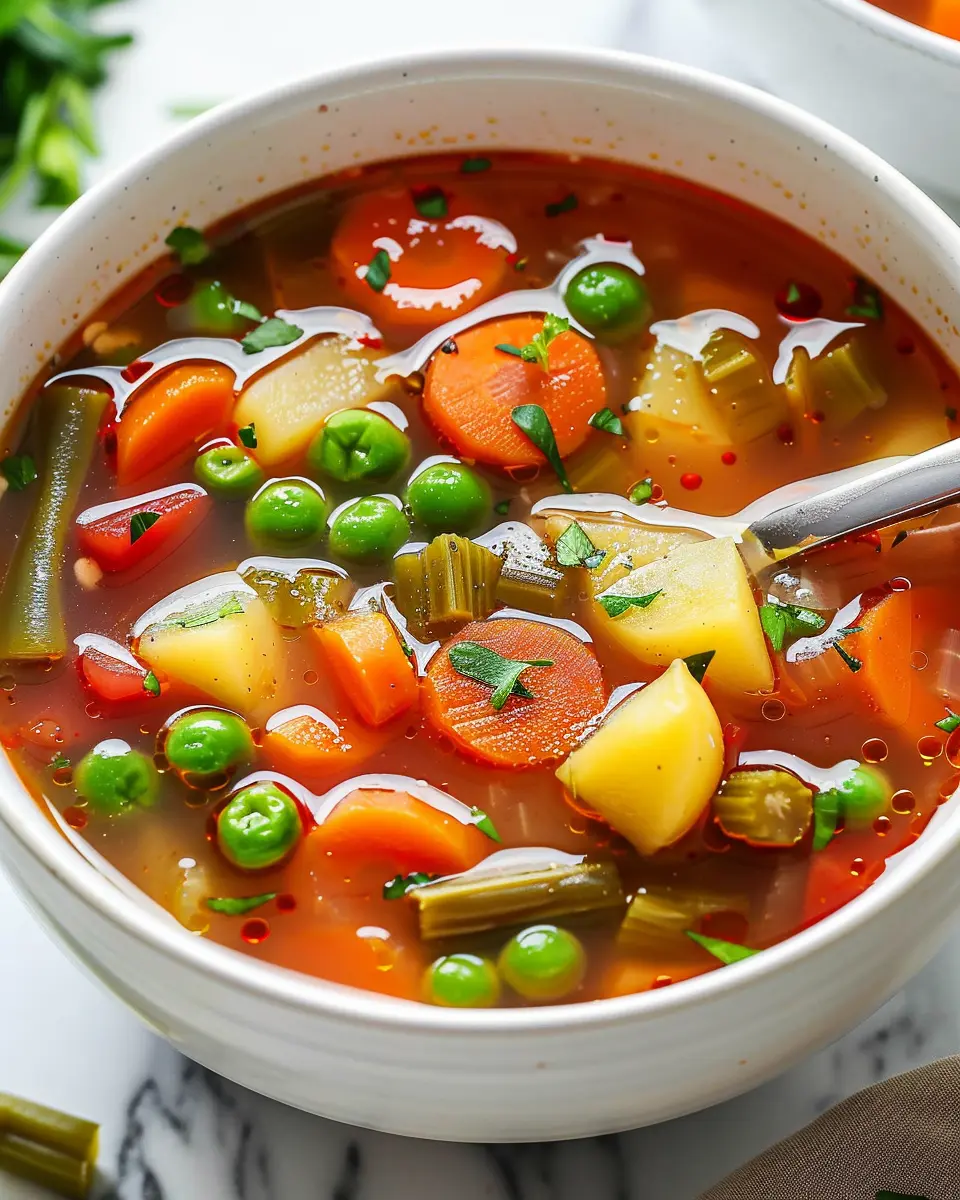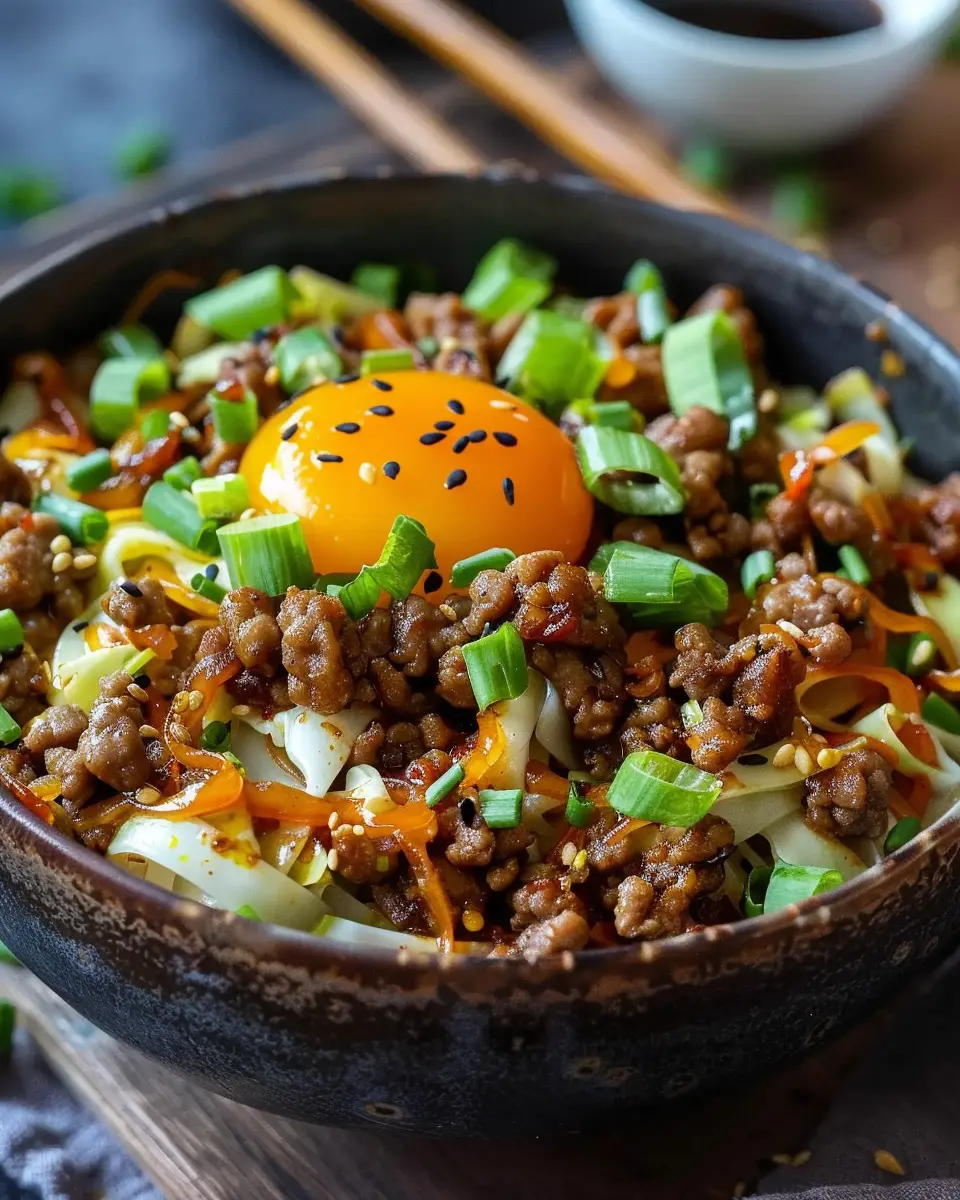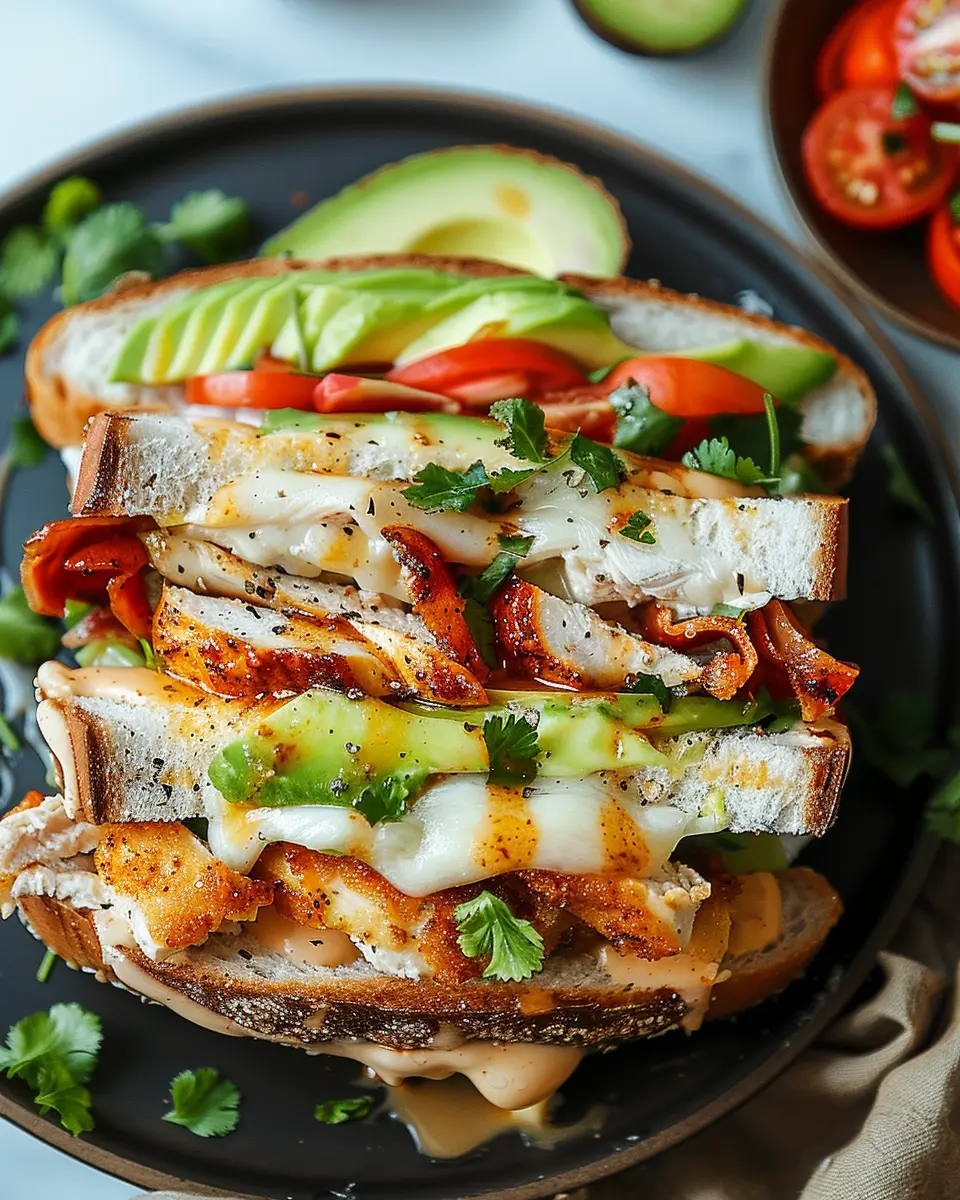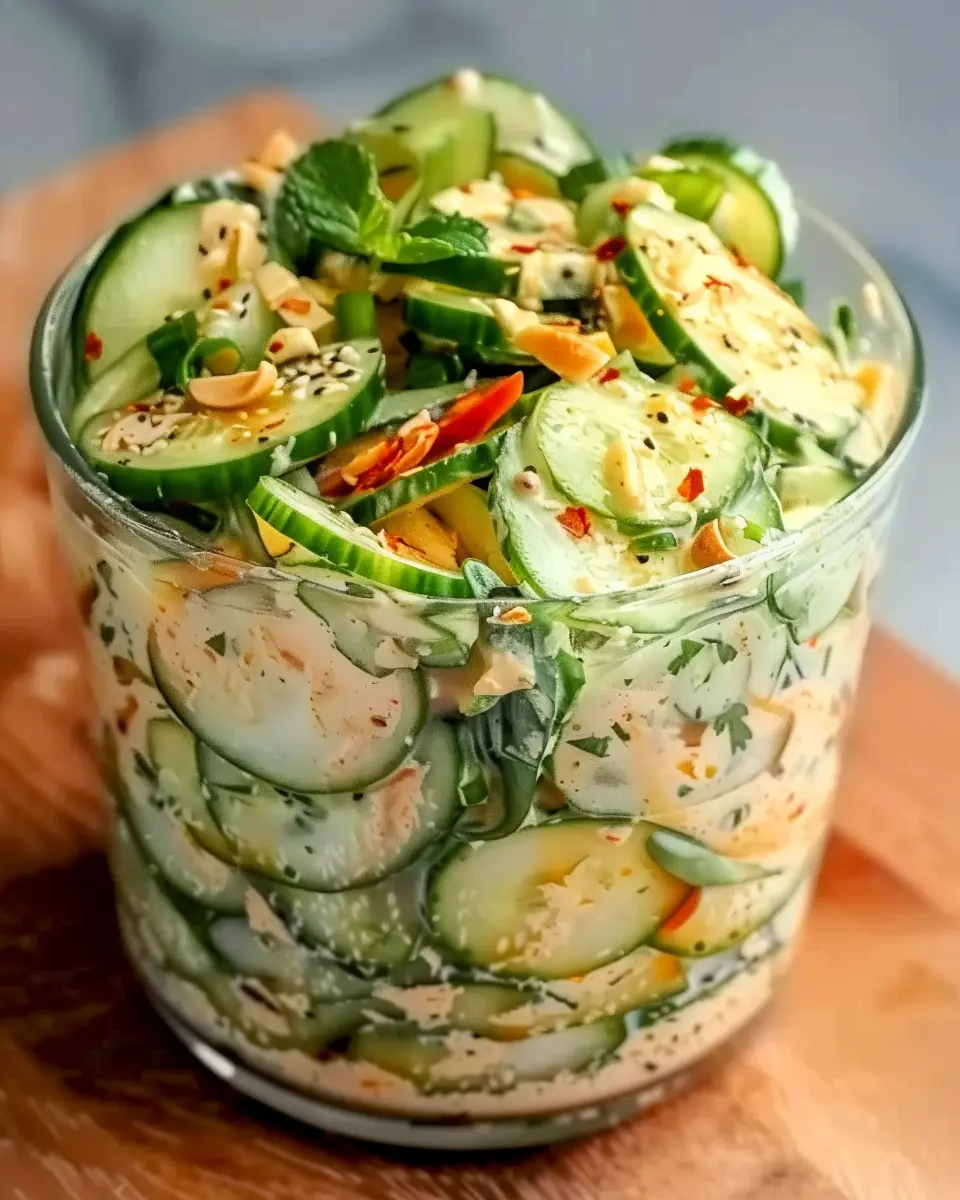
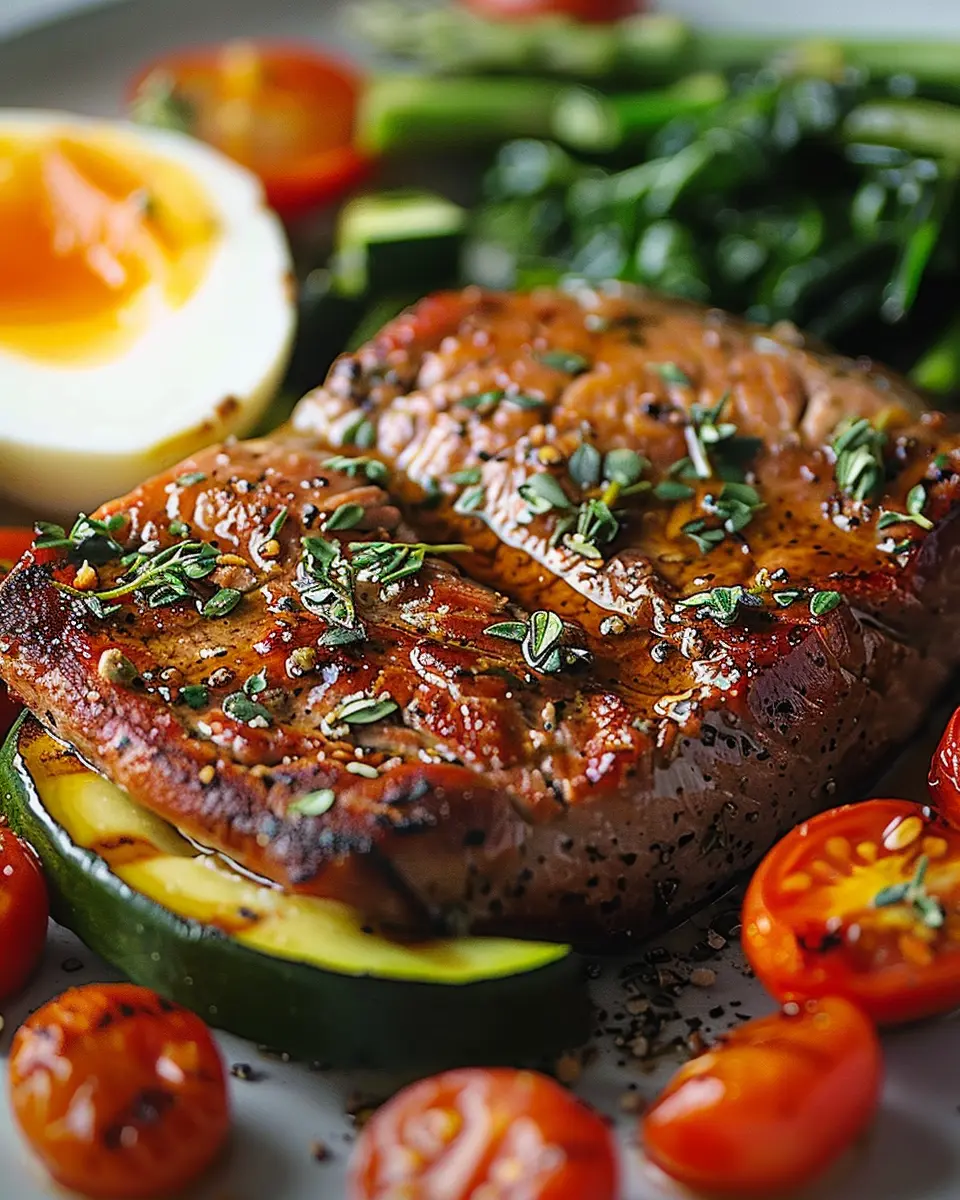
Introduction to High-Protein Anti-Inflammatory Recipes
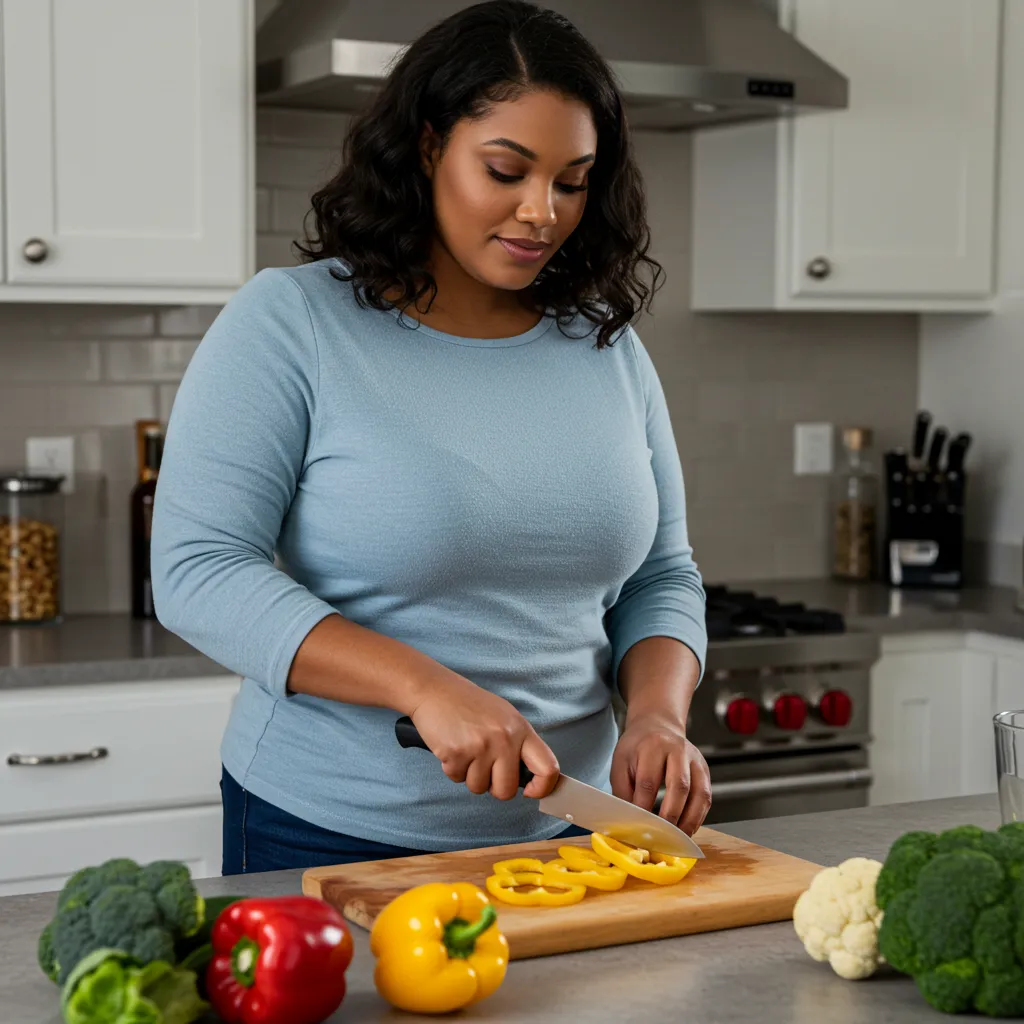
As a young professional, you’re likely juggling a hectic schedule filled with work, social commitments, and personal passions. Amid this whirlwind, finding time for healthy eating can feel impossible, especially with the rise of fast food and convenient, yet unhealthy, takeout options. That’s where high-protein anti-inflammatory recipes come in, offering you a delicious way to nourish your body and fight inflammation with every bite.
Why High-Protein Anti-Inflammatory Recipes Are Game Changers for Young Professionals
Boost Your Energy Levels
Inflammation has been linked to fatigue and low energy. By incorporating high-protein ingredients like chicken, turkey bacon, and legumes into your meals, you can support your body’s natural defenses against inflammation. Research from the American Journal of Clinical Nutrition suggests that protein helps stabilize blood sugar levels and prevent energy dips, keeping you invigorated throughout the day.
Promote Mental Clarity
Think about your last busy workday. A brain-fogging lunch can derail your productivity. Meals rich in proteins and anti-inflammatory foods, like leafy greens, nuts, and healthy fats, can help enhance cognitive function. This is crucial when you need to stay focused on projects or during vital meetings.
Simplifying Meal Prep
The beauty of high-protein anti-inflammatory recipes is that many are easy to prepare in advance, making them perfect for meal prepping. Just envision a Sunday devoted to cooking! Having delicious, ready-to-eat meals at your fingertips will not only save time during those frantic weekday mornings but will also encourage healthier eating habits.
Deliciousness Meets Health
It’s a common misconception that healthy eating means bland or difficult-to-make meals. In reality, the flavor profiles from spices like turmeric and ginger—both hailed for their anti-inflammatory properties—can transform your daily dining experience. Getting creative with your cooking not only makes the process enjoyable but also turns every meal into a culinary adventure.
Incorporating high-protein anti-inflammatory recipes into your weekly routine can be a game changer, enhancing not just your physical health, but also your mental well-being. So why not start experimenting today? Your taste buds, health, and busy schedule will thank you! For more ideas on meal prepping, check out Healthline’s Meal Prep Guide.
Ingredients for High-Protein Anti-Inflammatory Recipes
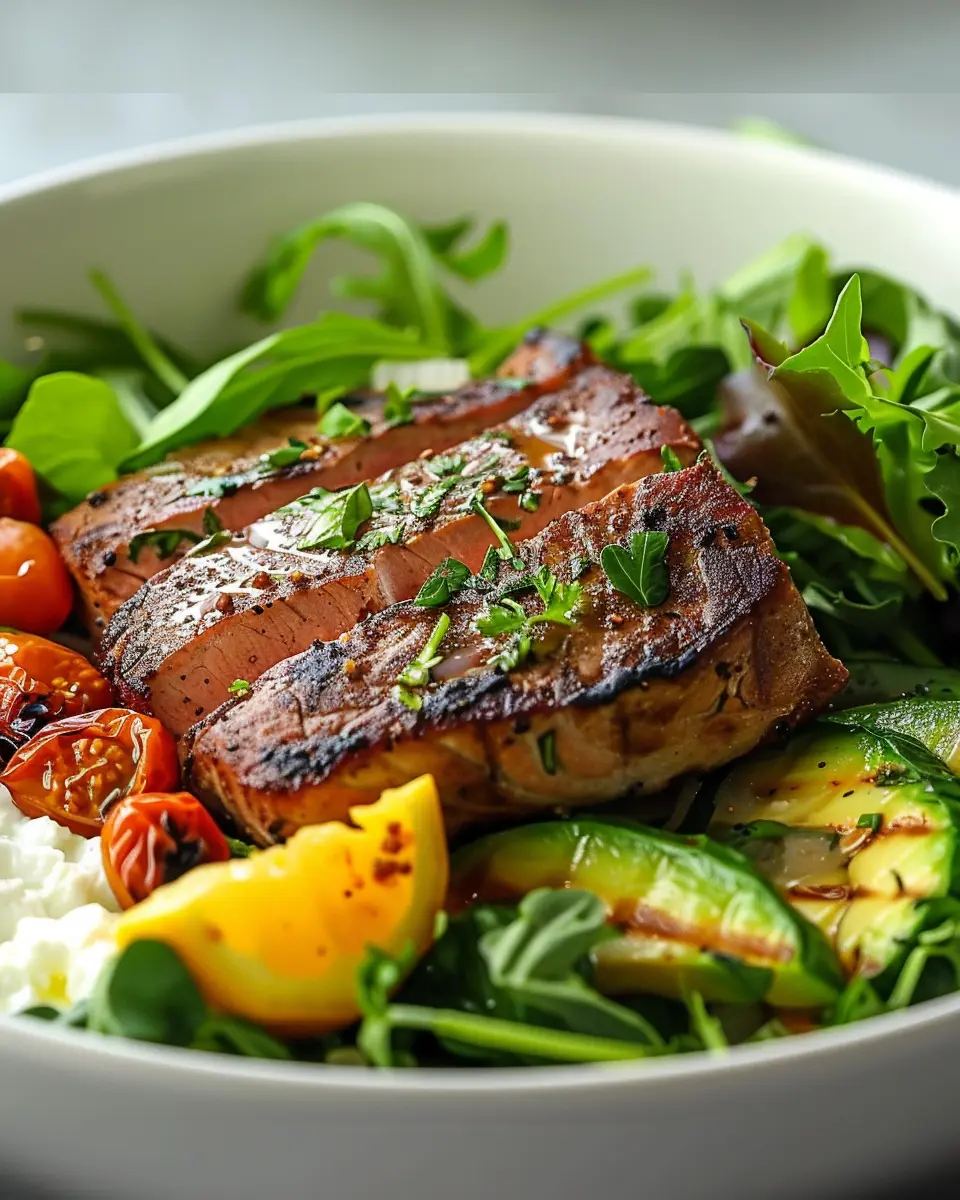
When thinking about high-protein anti-inflammatory recipes, the right ingredients can elevate your meals while promoting wellness. Here’s a breakdown of essential components for smoothies, breakfasts, lunches, and dinners that deliver both taste and health benefits.
Essential Ingredients for Smoothies
- Greek Yogurt: A great source of protein and probiotics.
- Spinach or Kale: Leafy greens rich in antioxidants.
- Berries: Packed with vitamins and low in sugar.
- Chia Seeds: Excellent for omega-3s and fiber.
Essential Ingredients for Breakfasts
- Oats: Full of fiber and can be protein-fortified.
- Eggs: Complete protein packed with nutrients.
- Turkey Bacon: A leaner alternative that satisfies.
Essential Ingredients for Lunches
- Quinoa: A protein-rich grain full of amino acids.
- Chickpeas: A versatile legume loaded with protein.
- Avocado: Provides healthy fats and anti-inflammatory properties.
Essential Ingredients for Dinners
- Salmon: Rich in omega-3s, great for reducing inflammation.
- Chicken Ham: A lean protein option with delicious taste.
- Broccoli: A powerhouse vegetable brimming with vitamins.
Incorporating these ingredients into your meals not only boosts your protein intake but also packs a punch against inflammation. For more insights on healthy eating, check out resources like the Harvard T.H. Chan School of Public Health to enrich your culinary journey!
Preparing High-Protein Anti-Inflammatory Recipes
Creating high-protein anti-inflammatory recipes can be a delicious and rewarding culinary journey. Not only do these meals support your health, but they can also tantalize your taste buds! Here’s a handy guide to preparing these nourishing recipes.
Choose your protein base
The foundation of any protein-packed meal begins with selecting a quality protein source. Here are some excellent choices to get you started:
- Chicken Breast or Chicken Ham: A lean source of protein that’s versatile and easy to cook.
- Turkey Bacon: If you’re looking for a crispy touch, turkey bacon provides flavor along with protein.
- Legumes: Black beans, chickpeas, and lentils are fantastic plant-based sources of protein that also offer fiber.
- Fish: Salmon or sardines are not only high in protein but also packed with omega-3 fatty acids, which have anti-inflammatory properties.
Choosing the right protein is essential because it sets the stage for your meal. Consider your dietary preferences and what you’ve got in your kitchen. It’s all about making choices that resonate with your taste buds while keeping health in mind.
Add anti-inflammatory vegetables and fruits
Next up, it’s time to bulk up your meal with colorful, anti-inflammatory vegetables and fruits. Here’s a selection of nutrient-dense options:
- Leafy Greens: Spinach, kale, and Swiss chard are vitamins powerhouses that offer chlorophyll, aiding in inflammation reduction.
- Cruciferous Vegetables: Broccoli and cauliflower are great choices, thanks to their high levels of antioxidants.
- Berries: Blueberries and strawberries are not only delicious but also rich in antioxidants.
- Turmeric and Ginger: These spices work wonders in fighting inflammation while providing a flavor punch.
Incorporating a variety of these ingredients will automatically elevate your dish’s nutritional profile. Consider making a colorful vegetable stir-fry or a vibrant fruit salad mixed with your protein base!
Incorporate healthy fats
Healthy fats play an integral role in combating inflammation while also keeping you satiated. Try adding:
- Avocado: Rich in monounsaturated fats and fiber, this creamy fruit is a fantastic addition to salads and smoothies.
- Nuts and Seeds: Almonds, walnuts, and chia seeds pack a protein punch and are loaded with antioxidants.
- Olive Oil: A staple in Mediterranean diets, olive oil is rich in omega-3 fatty acids and works well for cooking or as a dressing.
These healthy fats not only enhance the flavor of your dishes but also boost your overall nutrient intake. Ever tried drizzling olive oil on roasted vegetables? It’s divine!
Season with anti-inflammatory herbs and spices
Seasoning can completely transform your meal, and with anti-inflammatory herbs and spices, you’re in for a treat. Some to consider include:
- Cinnamon: Great for adding warmth and sweetness, it’s also known for its anti-inflammatory benefits.
- Cayenne Pepper: This spice can add a kick to your dish while also helping to relieve inflammation.
- Garlic: Known for its immune-boosting properties, garlic delivers flavor and health benefits alike.
Experimenting with these herbs not only adds depth to your dishes but also ensures your meals are both delicious and beneficial to your health.
Assemble your meals
Now that you’ve selected your protein, added vegetables and fruits, incorporated healthy fats, and seasoned with the right spices, it’s time to assemble everything. Here’s how:
- Start with your protein: Place it at the base of your dish.
- Layer with veggies: Add a colorful array of your chosen vegetables and fruits.
- Drizzle with healthy fats: Add avocado slices or a sprinkle of nuts.
- Finish with spices: Top it off with your favorite seasoning to excite the palate.
By following these steps, you’re creating a well-rounded, high-protein anti-inflammatory meal that’s sure to impress you—and anyone you decide to share it with.
As you experiment, don’t hesitate to swap out ingredients based on what you have on hand or to suit your personal taste. With a little creativity, you’ll find that high-protein anti-inflammatory recipes can be both easy and fun! Here’s to healthy, flavorful cooking!
Variations on High-Protein Anti-Inflammatory Recipes
Exploring innovative protein options
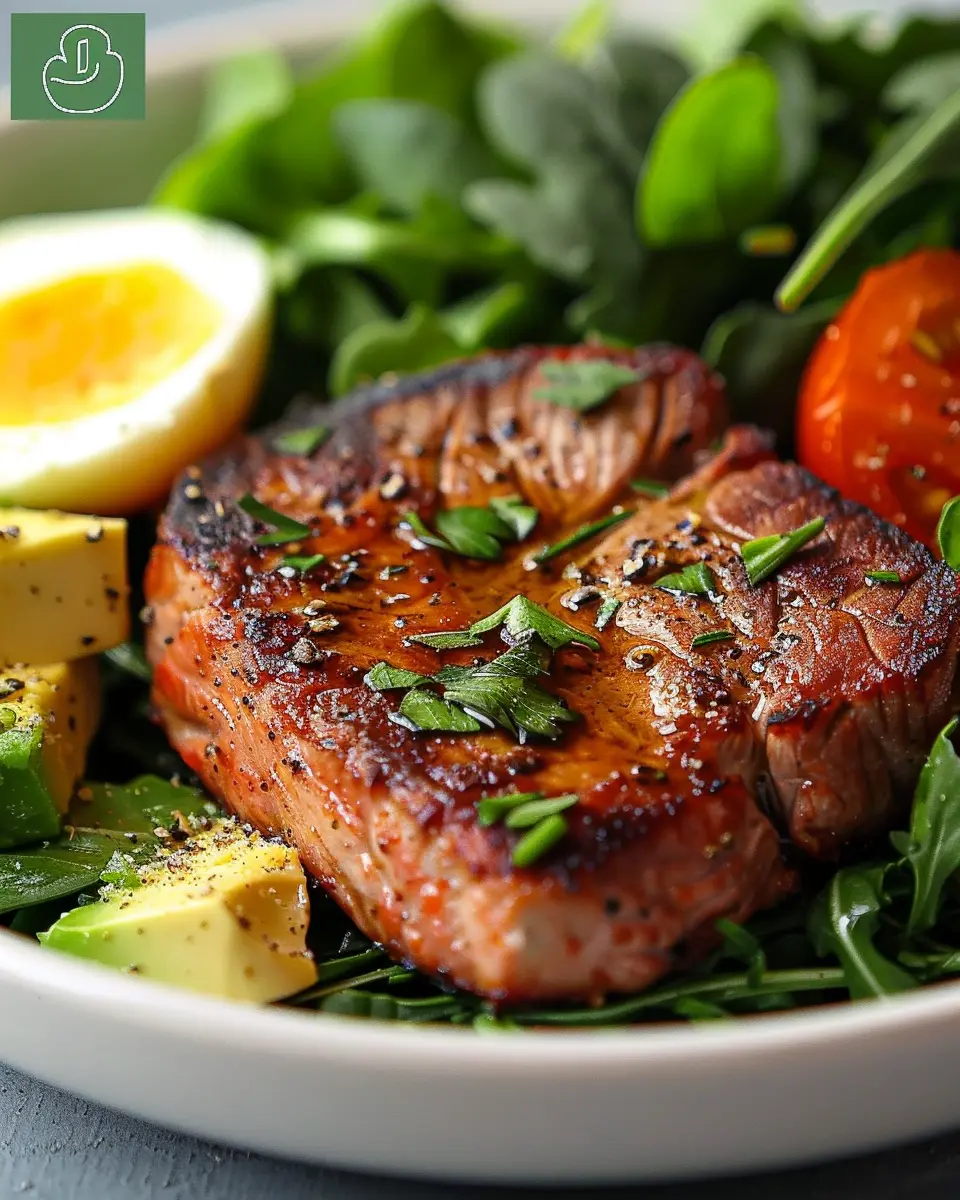
When you’re considering high-protein anti-inflammatory recipes, it’s important to recognize the variety of protein sources available beyond the usual suspects. While chicken and turkey are fantastic, don’t forget about plant-based proteins like lentils, chickpeas, and quinoa. Besides being rich in protein, these ingredients are packed with anti-inflammatory properties. For a unique twist, try adding tofu or tempeh. These soy products are not only high in protein but also adaptable in different cuisines.
If you’re craving something with a little more depth, consider incorporating Turkey Bacon or Chicken Ham into your dishes. They add an excellent flavor boost while still maintaining relatively low fat. Plus, the salty, smoky notes can elevate a veggie stir-fry or wrapped salad into a standout meal.
Creative ways to mix and match vegetables
The beauty of high-protein anti-inflammatory recipes lies in their versatility, especially when it comes to vegetables. Mixing and matching can lead to some delightful creations! Start with a base like spinach or kale, both loaded with antioxidants. From there, feel free to experiment:
- Roasted bell peppers for sweetness
- Zucchini for a hearty feel
- Cruciferous veggies like broccoli or brussels sprouts, renowned for their anti-inflammatory benefits
Your imagination is the only limit. Try throwing in some avocado oil or a squeeze of lemon for brightness. Don’t forget to use fresh herbs; they can amplify flavors while providing additional health benefits. If you’re short on time, consider checking out resources on vegetable selection from experts like the Harvard T.H. Chan School of Public Health, which offers fantastic insights on how to choose nutrient-dense options.
Remember, the goal is to keep things fun and nourishing—so don’t be afraid to get creative!
Cooking Tips and Notes for High-Protein Anti-Inflammatory Recipes
Best Practices for Cooking to Preserve Nutrients
When it comes to high-protein anti-inflammatory recipes, the way you cook can significantly affect the nutrient content of your ingredients. Here are a few tips to help you retain those valuable nutrients:
- Gentle Cooking Methods: Opt for steaming, poaching, or baking instead of frying. These methods keep nutrients intact while enhancing flavors.
- Minimal Water: When boiling vegetables, use as little water as possible, or consider using it in soups to benefit from the nutrients that leach out.
- Short Cooking Times: Cooking for shorter periods can help preserve vitamins, especially those sensitive to heat, like vitamin C.
Common Pitfalls to Avoid While Meal Prepping
Meal prepping can be a game-changer but watch out for common mistakes:
- Overcooking Proteins: Whether it’s turkey bacon or chicken ham, overcooked proteins can lose their tenderness and flavor. Keep an eye on cooking times!
- Ignoring Seasoning: Fresh herbs and spices are not just for flavor—they pack anti-inflammatory benefits, too! Don’t overlook them.
- Lack of Variety: Sticking to the same ingredients can lead to boredom. Aim for a colorful plate filled with varied veggies, grains, and proteins to keep things exciting and nutritious.
For more tips on meal prepping, consider checking out resources from the Culinary Institute of America for expert insights on wholesome cooking practices.
Serving Suggestions for High-Protein Anti-Inflammatory Recipes
Pairing Meals for Optimal Taste and Nutrition
When enjoying high-protein anti-inflammatory recipes, think about balancing flavors and nutrients. Pair grilled chicken with a quinoa salad bursting with fresh veggies for a dish that’s as colorful as it is nourishing. Adding roasted sweet potatoes not only introduces a delightful sweetness but also packs in vitamins and fiber to your meal.
Try complementary sides too! For example, serve your turmeric-spiced turkey burgers alongside steamed broccoli drizzled with lemon juice to enhance the dish’s flavor profile. Looking for more ways to mix and match? Check out this guide on nutritional pairings for inspiration.
Ideas for Meal Presentation That Entice
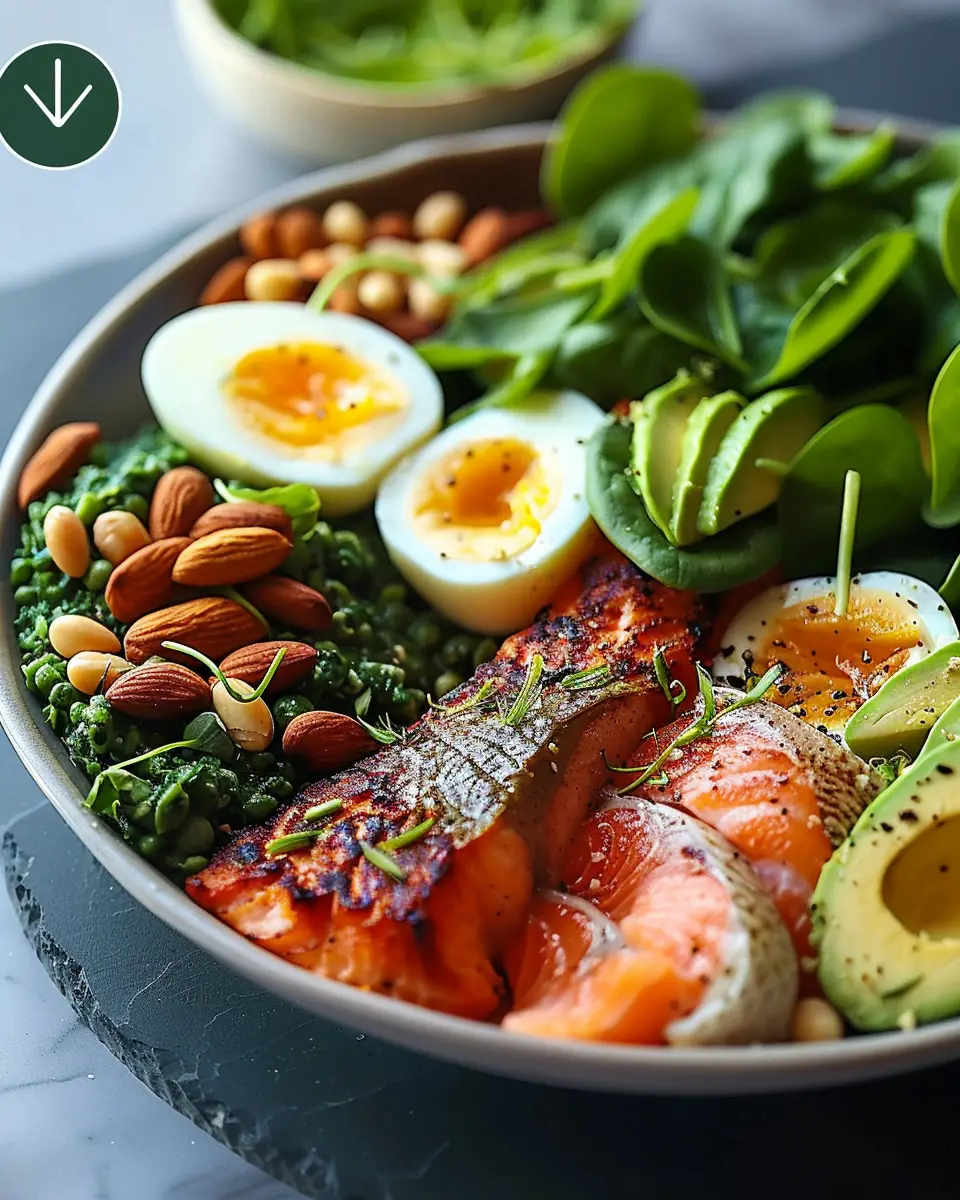
Presentation is everything, right? A beautifully plated dish can make your high-protein anti-inflammatory recipes irresistible! Use vibrant plates to contrast with colorful ingredients—think a bright blue dish with green kale and roasted red bell peppers.
Garnish your meals with fresh herbs like cilantro or parsley for a pop of color, and consider serving in individual portions for an added touch of elegance. It’s all about making your meal not just nutritious, but also a feast for the eyes! Creating mouthwatering visuals can enhance your dining experience, so have fun with it!
Time Breakdown for High-Protein Anti-Inflammatory Recipes
Understanding the time it takes to whip up these delicious high-protein anti-inflammatory recipes can make meal planning a breeze. Here’s how to break it down.
Preparation Time
Most of these recipes require about 10 to 20 minutes of preparation. This includes chopping veggies, marinating proteins, or gathering ingredients. It’s a great time to put on some music and enjoy the process!
Cooking Time
Expect to spend anywhere from 20 to 40 minutes cooking. The specific time varies based on the dish you choose. For instance, a savory turkey bacon stir-fry might be quicker than a hearty chicken ham casserole.
Total Meal Prep Time
In total, you’re looking at 30 to 60 minutes from start to finish. This allows for a manageable weeknight cooking experience, ensuring that you stay on track with your health goals without spending hours in the kitchen.
By planning ahead, you can easily incorporate these flavorful recipes into your routine. Want to explore more about high-protein diets? Check out Healthline for in-depth insights!
Nutritional Facts for High-Protein Anti-Inflammatory Recipes
When diving into high-protein anti-inflammatory recipes, understanding their nutritional benefits helps ensure your meals support your wellness goals. Here’s a friendly breakdown of what you can expect:
Breakdown of proteins, carbohydrates, and fats
- Proteins: These recipes typically feature lean proteins like turkey bacon and chicken ham, essential for muscle repair and maintenance. Expect around 20-30 grams of protein per serving.
- Carbohydrates: Complex carbohydrates, often from grains and legumes, provide sustained energy. They’re also high in fiber, which aids digestion.
- Fats: Healthy fats from sources like avocados or olive oil offer anti-inflammatory benefits, with a serving containing about 10-15 grams.
Key vitamins and minerals present in these recipes
You’ll often find a rich mix of vitamins and minerals in our recipes, including:
- Omega-3 Fatty Acids: Known for their anti-inflammatory properties, they can be sourced from ingredients like flaxseeds or walnuts.
- Vitamins C and E: These antioxidants fight oxidative stress, typically present in fresh vegetables like spinach and bell peppers.
- Magnesium: Essential for muscle function and found abundantly in whole grains.
Curious about more health benefits? Check out the Harvard Health website for additional insights on nutrient impacts!
FAQs about High-Protein Anti-Inflammatory Recipes
How can I ensure I’m getting enough protein?
To make sure you’re hitting your protein goals with high-protein anti-inflammatory recipes, focus on including high-quality protein sources in every meal. Consider options like:
- Grilled chicken or turkey bacon for a lean protein source
- Legumes and beans like lentils and chickpeas for plant-based protein
- Tofu or tempeh, which can absorb flavors and add texture
- Nuts and seeds, such as chia or hemp seeds, for smoothies or toppings
It’s also worthwhile to track your intake, perhaps using a nutrition app. Remember, balancing protein with healthy fats and carbs is key for overall health.
Are there vegetarian options for these recipes?
Absolutely! Many high-protein anti-inflammatory recipes can easily be adapted for vegetarians. Consider substituting animal proteins with:
- Quinoa or farro, which both provide a complete protein
- Various beans and legumes as protein-rich additions
- Plant-based meats, if you’re looking for something familiar
Remember, incorporating a variety of colorful vegetables not only helps with inflammation but also makes your meals vibrant and appealing.
What’s the best way to store leftovers?
Storing your high-protein anti-inflammatory recipes properly is crucial for maintaining freshness and flavor. Here’s how you can do it effectively:
- Let meals cool before sealing them in airtight containers to prevent moisture build-up.
- Label the containers with dates to keep track of freshness.
- Store in the refrigerator for up to four days, or freeze portions for longer-lasting meals.
For more detailed advice on meal prep and storage, check out resources like the USDA’s Food Safety guidelines. Remember, having ready-to-eat meals not only saves time but can also help you stick to your anti-inflammatory eating goals!
Conclusion on High-Protein Anti-Inflammatory Recipes
Cooking at home not only empowers you to gain control over your meals but significantly boosts your health and happiness. By diving into high-protein anti-inflammatory recipes, you’re choosing ingredients that work for your body, promoting wellness and vitality. Home-cooked meals allow for customization—think about swapping in your favorite vegetables or proteins like turkey bacon or chicken ham to suit your palate.
Consider the joy of gathering friends or family for a nutritious dinner; it’s a great way to connect while nourishing your bodies. Want to explore more? Check out Healthline and Nutritional Science for more information on the connection between diet and health. Happy cooking!
PrintHigh-Protein Anti-Inflammatory Recipes for a Vibrant You
Discover a collection of delicious and nutritious high-protein anti-inflammatory recipes that will energize you and support your health.
- Prep Time: 10 minutes
- Cook Time: 20 minutes
- Total Time: 30 minutes
- Yield: 4 servings 1x
- Category: Main Dish
- Method: Stovetop
- Cuisine: Mediterranean
- Diet: Vegetarian
Ingredients
- 2 cups quinoa
- 1 tablespoon olive oil
- 1 teaspoon turmeric powder
- 1 teaspoon garlic powder
- 4 cups vegetable broth
- 1 cup chickpeas, cooked
- 1 cup spinach, fresh
- 1 cup cherry tomatoes, halved
Instructions
- Rinse the quinoa in cold water until the water runs clear.
- In a large pot, heat olive oil over medium heat. Add turmeric and garlic powder, stirring for 1 minute.
- Add quinoa and vegetable broth, bringing to a boil.
- Reduce heat and simmer for about 15 minutes or until quinoa is fluffy.
- Add chickpeas, spinach, and cherry tomatoes, cooking for an additional 5 minutes.
Notes
- For added flavor, consider adding a squeeze of lemon juice before serving.
- Store leftovers in an airtight container to maintain freshness.
Nutrition
- Serving Size: 1 cup
- Calories: 350
- Sugar: 2g
- Sodium: 300mg
- Fat: 10g
- Saturated Fat: 1g
- Unsaturated Fat: 8g
- Trans Fat: 0g
- Carbohydrates: 54g
- Fiber: 10g
- Protein: 12g
- Cholesterol: 0mg
Keywords: High-Protein, Anti-Inflammatory, Recipes