Introduction to Filipino Pork Tocino
A taste of home-cooked comfort
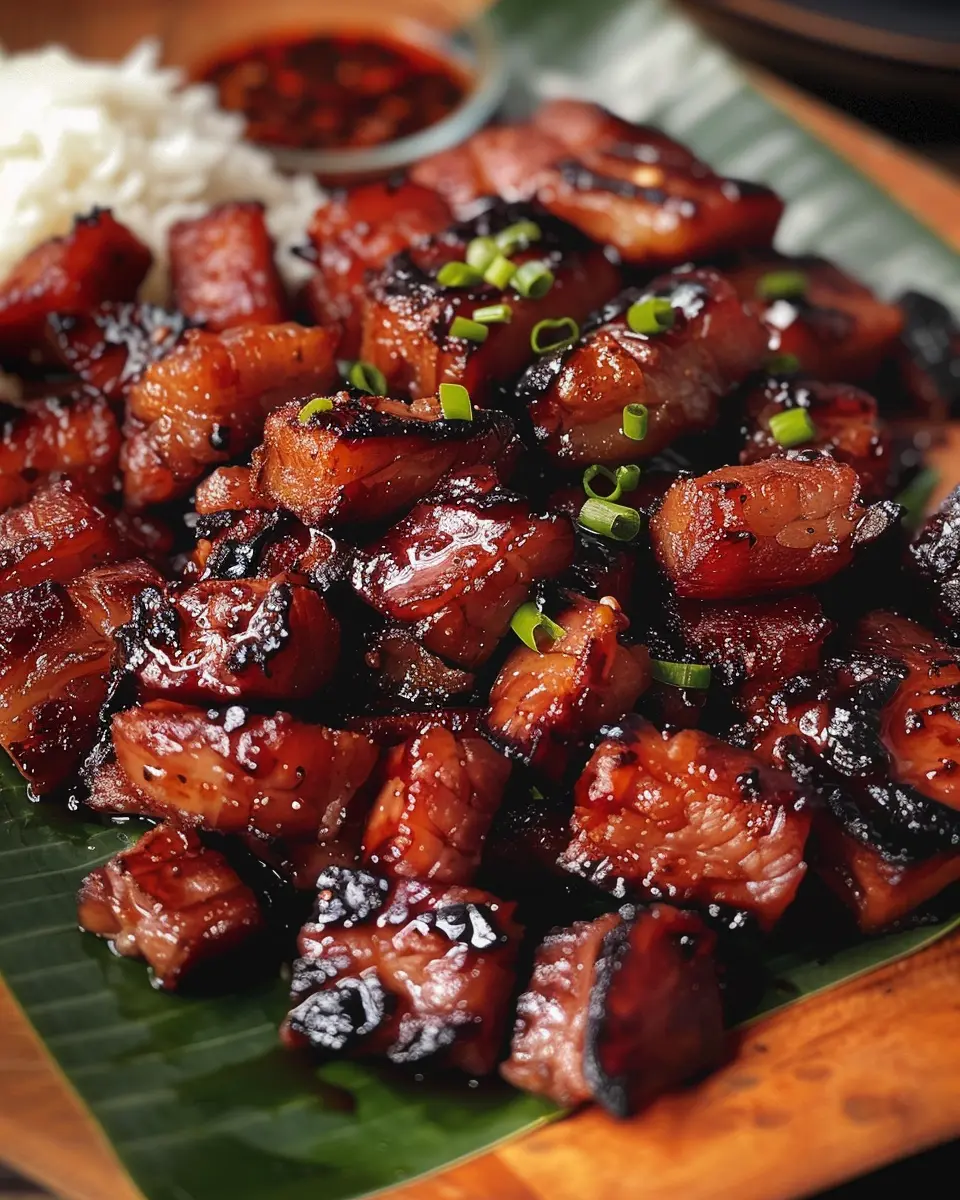
Imagine waking up on a weekend morning, the aroma of sweet and savory Filipino Pork Tocino wafting through your kitchen. It’s the kind of dish that feels like a warm hug on a plate—perfectly caramelized beef, full of flavor, and just a hint of sweetness. Traditionally served with steamed rice and maybe a fresh side of tomato or fried egg, this dish is more than just food; it’s a nostalgic experience that evokes memories of family gatherings and joyful celebrations. It’s a breakfast staple in many Filipino households, often showcased at special occasions or simply enjoyed as a comforting home-cooked meal.
The rich history behind Pork Tocino
Filipino Pork Tocino has deep roots in the Philippines, influenced by the diverse culinary traditions that make up the islands’ rich culture. The term “tocino” is derived from the Spanish word for “bacon,” but in the Filipino context, it transcends this limited definition. Historically, tocino was a way to preserve meat, and its preparation involved marinating with a mix of sugar, salt, and spices. As the dish evolved, diverse ingredients were introduced, reflecting local tastes and preferences.
According to culinary historians, tocino dates back to the Spanish colonial era, and over centuries, Filipinos adapted it into a beloved breakfast dish. The balance of sweetness and saltiness makes it appealing, whether it’s served during festivities or simply to kickstart the day.
For a deeper understanding of the dish’s origins and its cultural significance, check out this insightful article.
Why you should try making it yourself
While store-bought versions of Filipino Pork Tocino might be convenient, making it at home can be surprisingly simple and much more rewarding. Trying your hand at creating this dish from scratch allows you to control the flavors, add personal twists, and create a version that’s just right for your palate. Plus, cooking can be a delightful bonding experience, whether you’re preparing it solo or with family and friends.
Imagine gathering in your kitchen, laughing as you mix the marinade and prepare the beef. In a world where fast food often prevails, taking the time to make your own tocino can remind us of the importance of home-cooked meals. So, roll up your sleeves, embrace the process, and let the sweet, enticing aroma lead you back to those cherished moments in your life.
Ingredients for Filipino Pork Tocino
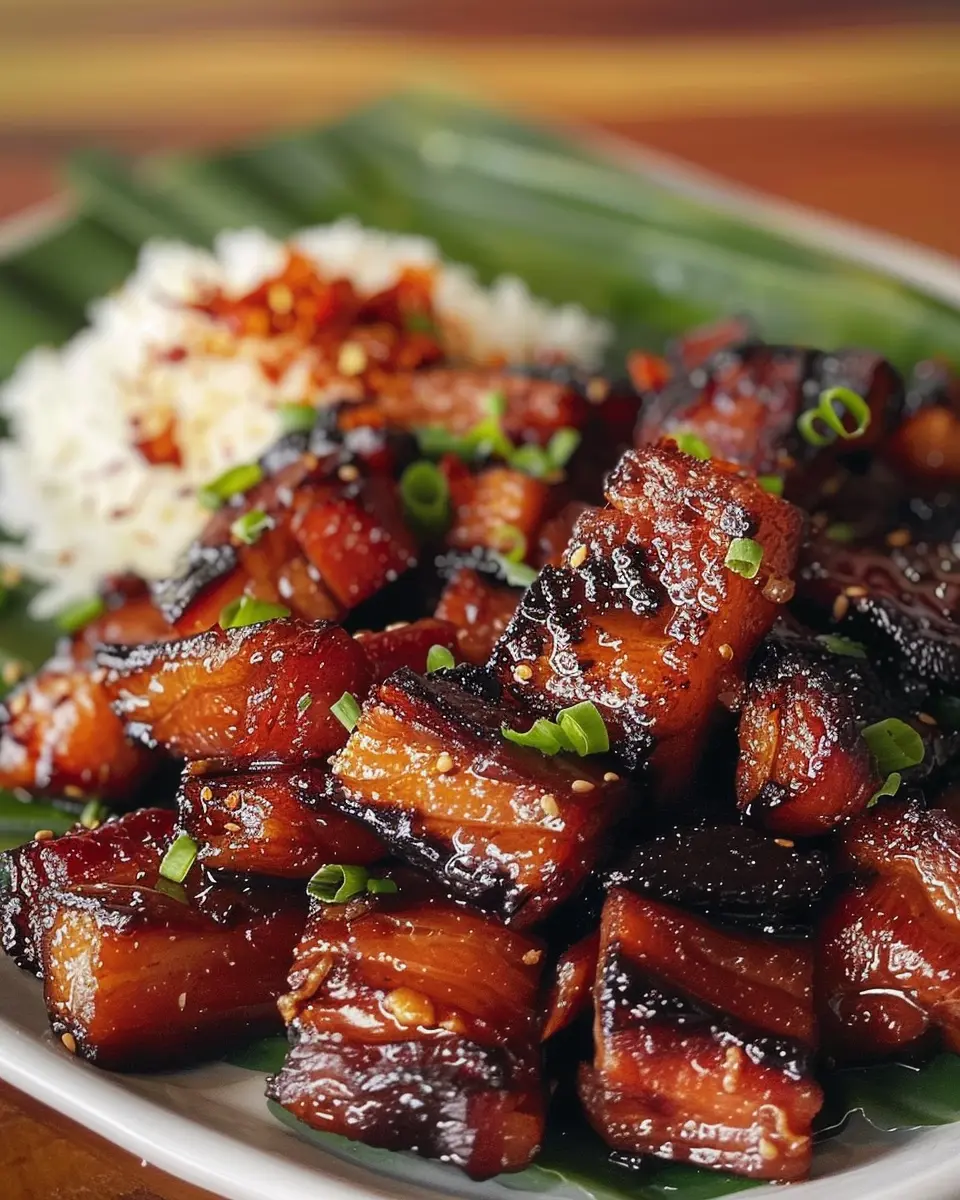
When it comes to making Filipino pork tocino, the magic really happens in the marinade. This sweet and savory dish is a staple in Filipino breakfasts, and gathering the right ingredients sets the stage for an unforgettable meal.
Essential ingredients for the marinade
To achieve that delightful flavor, you’ll need:
- Garlic: Freshly minced for that aromatic touch.
- Brown sugar: This adds sweetness and helps in caramelizing the meat.
- Soy sauce: A key ingredient for depth and umami.
- Vinegar: Regular or cane vinegar works to tenderize the beef.
- Annatto powder: For the signature reddish hue and a hint of nuttiness.
These ingredients work together to create a marinade that imbues the tocino with delicious flavor.
Choosing the right cut of beef
Selecting the right cut of beef is crucial for achieving tender and juicy pork tocino. Opt for either beef belly or beef sirloin—both cuts are preferred because they are flavorful and maintain moisture during cooking. If you’re aiming for less fat, lean cuts can be used, but keep in mind they might be a tad less juicy.
Optional ingredients for customization
Feel free to make the recipe your own! Some optional ingredients include:
- Pineapple juice: Adds a tropical twist and extra sweetness.
- Black pepper: For a touch of spice.
- Citrus zest: A splash of lime or lemon zest can brighten the flavor profile.
Whether you’re adhering to tradition or experimenting with new flavors, these ingredients can enhance your experience. Want more tips on cooking beef dishes? Check out Beef It’s What’s for Dinner for insights and inspiration!
Preparing Filipino Pork Tocino
Cooking filipino pork tocino may seem daunting at first, but with the right steps, you’ll find that it’s not only simple but also incredibly rewarding. This beloved Filipino dish is known for its sweet, savory, and slightly tangy flavors, making it a fantastic meal choice for breakfast or dinner. Let’s walk through the preparation process together!
Slice the Beef Shoulder
The first step in cooking your filipino pork tocino begins in the grocery store or at your butcher’s. You’ll want to choose a good cut of beef shoulder, as it provides just the right balance of tenderness and flavor.
- Choosing the right cut: Look for beef with a good amount of marbling. This fat will render and add moistness to your tocino.
- Slicing technique: Using a sharp knife, slice the beef into thin strips—about ¼ inch thick. The thinner the slices, the better they will absorb the marinade. And remember, slicing against the grain will result in a more tender bite.
Create the Marinade Mixture
Now that you have your beef sliced, it’s time to whip up the marinade that will infuse your tocino with a savory-sweet profile.
- Basic ingredients: You’ll need soy sauce, brown sugar, garlic, and pineapple juice. This combination not only tenderizes the beef but also gives it that signature sweetness.
- Mixing it up: In a bowl, combine ½ cup of soy sauce, ¼ cup of brown sugar, three minced garlic cloves, and ½ cup of pineapple juice. Stir until the sugar is dissolved completely. If you want to take it up a notch, add a pinch of black pepper or even a dash of chili flakes for some heat.
Marinate the Beef for Perfect Flavor Infusion
Marinating is where the magic happens! This step allows the flavors to permeate the beef, creating a delectable dish that your taste buds will thank you for.
- Time to marinate: Place the sliced beef in a zip-top bag or a glass dish and pour the marinade over it. Make sure each piece is well-coated. Seal or cover the dish, and refrigerate for at least 4 hours, although overnight is even better. The longer it marinates, the more fabulous the flavor.
- Tip: If you’re in a rush, you can marinate for only 30 minutes. However, be mindful that it won’t be as flavorful.
Cooking the Marinated Beef to Perfection
Cooking your marinated beef is where it all comes together.
- Frying it up: Heat a non-stick skillet over medium heat and add a bit of oil. Once hot, add your marinated beef pieces.
- Searing: Let them cook undisturbed for a few minutes until they develop a beautiful caramel color. Then, flip them over and allow the other side to cook. Depending on the thickness of your slices, it usually takes around 5-7 minutes for them to be fully cooked. You’ll know they are done when they are tender and caramelized.
Plating the Dish for Presentation
After the delicious aroma fills your kitchen, it’s time to present your masterpiece!
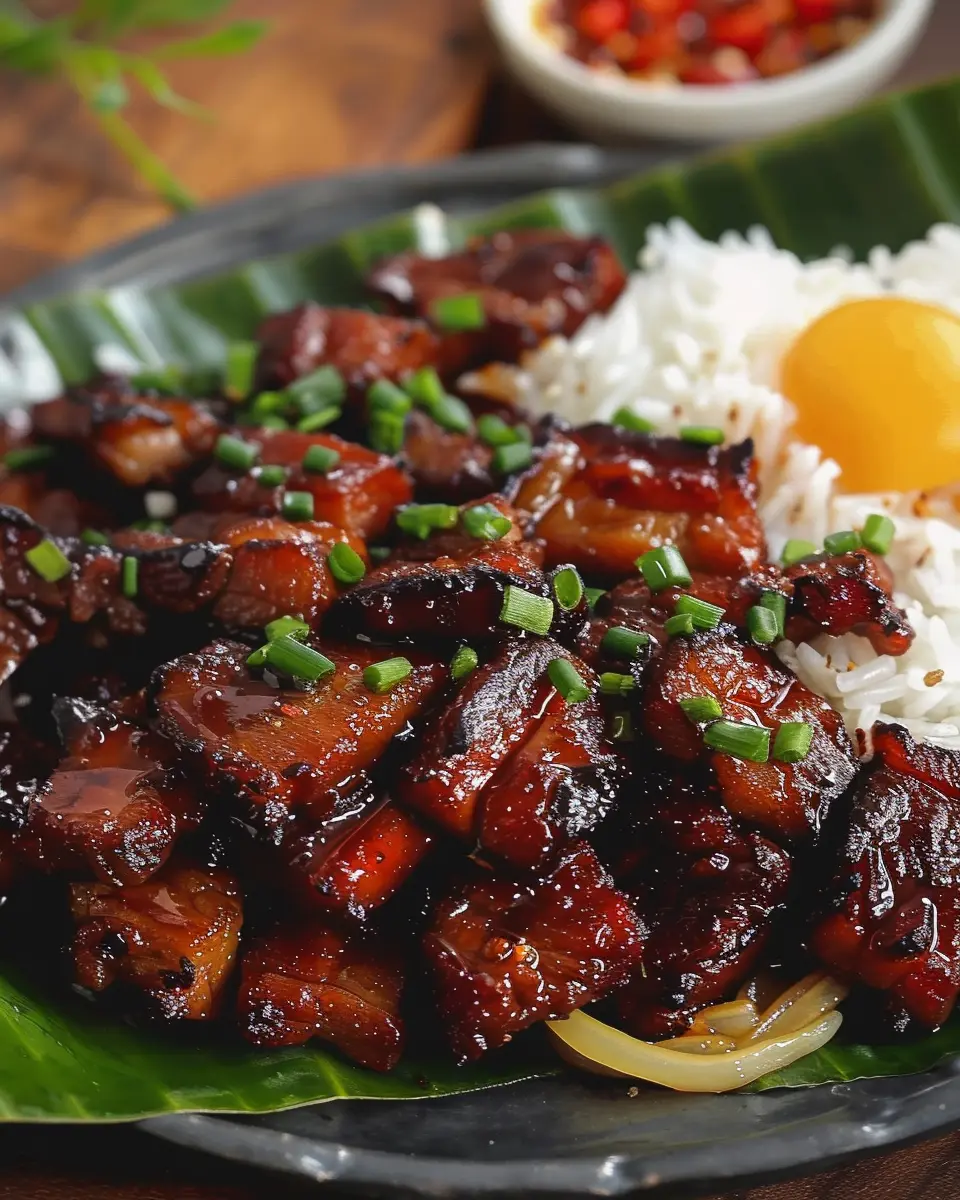
- Serving suggestions: You can serve your filipino pork tocino with steamed rice, fried eggs, or even a side of tomato salad for a refreshing contrast.
- Garnishing: To make your dish visually appealing, you can sprinkle a little green onion or serve it alongside some pickled vegetables. Be sure to drizzle any remaining sauce over the top for an extra flavor kick.
And there you have it! Easy steps to prepare filipino pork tocino that will impress both family and friends. You can find more tips and variations on popular Filipino dishes by visiting sites like Panlasang Pinoy or Kawaling Pinoy. Enjoy your cooking!
Variations on Filipino Pork Tocino
When it comes to Filipino Pork Tocino, the traditional sweet and savory flavor profile is just the beginning. Let’s explore some exciting variations that not only maintain the dish’s essence but also add delightful twists that will keep your taste buds on their toes.
Sweet and Spicy Tocino
If you crave a little heat, why not jazz up your Filipino Pork Tocino with some chili flakes or fresh chili slices? The combination of sweetness and spiciness works beautifully, giving your tocino an extra kick. You might also consider marinating your beef in a blend of coconut vinegar and brown sugar to create that irresistible sweet-spicy balance.
Tocino with a Twist: Adding Pineapple Chunks
For a tropical twist, adding pineapple chunks can elevate your tocino to a new level! The acidity and juiciness of the pineapple complement the sweet marinade, creating a delightful contrast. Simply toss in some fresh pineapple while frying your tocino, and you’re set for a flavor explosion that will transport you straight to the Philippines.
Low-Sodium and Healthier Versions
For those watching their sodium intake, a low-sodium version of Filipino Pork Tocino is easy to make. Replace regular soy sauce with low-sodium alternatives or opt for natural seasonings like garlic and herbs for flavor without the salt. You can even consider using lean beef cuts to maintain the integrity of the dish while keeping it healthier.
By trying out these variations, you’ll be well on your way to personalizing your tocino experience. Whether sweet and spicy or loaded with juicy pineapple, these twists make every meal memorable. For more Filipino recipes, take a look at reliable sources like Taste Atlas and Serious Eats.
Cooking tips and notes for Filipino Pork Tocino
Tips for achieving the perfect caramelization
To get that mouthwatering golden brown finish on your Filipino Pork Tocino, caramelization is key. Start by using a non-stick skillet over medium heat and let it warm up properly before adding your tocino. Adding a small amount of sugar to your marinade helps enhance that sweet, savory flavor. Maintain patience; letting it cook undisturbed for a few minutes on each side allows those sugars to caramelize beautifully.
How to avoid overcooking the beef
It’s easy to overcook beef tocino, resulting in a tough texture. To prevent this, be sure to cook it on medium heat and keep an eye on your cooking time. Once the meat is cooked thoroughly and tender, take it off the heat. Using a meat thermometer can also help; aim for an internal temperature of about 145°F for the perfect doneness.
Storage tips for leftovers
If you find yourself with leftover tocino, store it properly to keep it fresh. Place the cooled tocino in an airtight container and refrigerate it for up to 3-4 days. For longer storage, consider freezing individual portions. When reheating, a quick fry on the stovetop helps retain its delightful flavors and texture. For further tips on food storage, you can check out resources from the USDA Food Safety and Inspection Service.
Serving suggestions for Filipino Pork Tocino
Filipino pork tocino is versatile and delicious, making it the perfect dish for various serving styles.
Traditional pairings: sinangag and fried egg
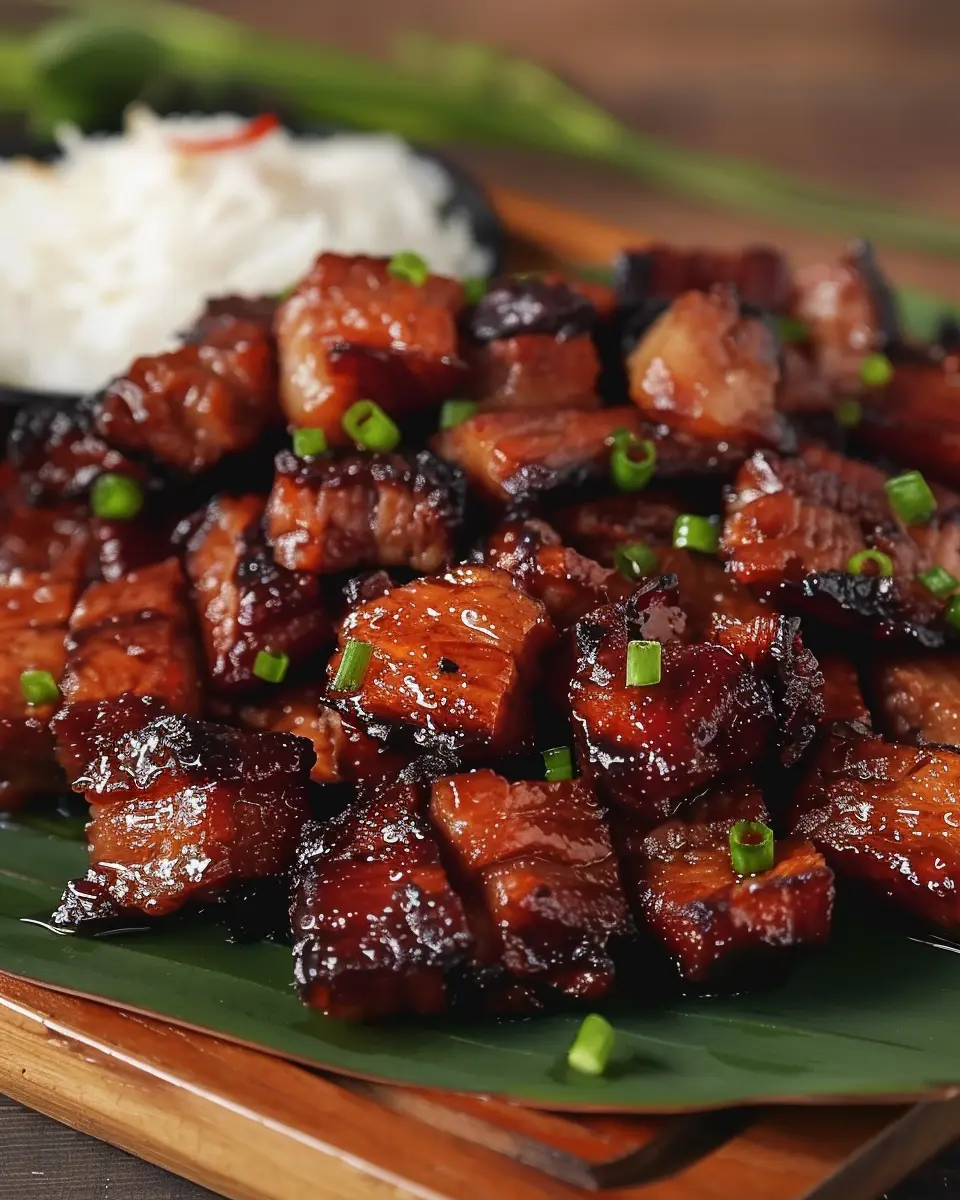
The classic way to enjoy pork tocino is alongside flavorful sinangag (garlic fried rice) and a perfectly fried egg. The combination provides a delightful balance of sweet and savory, creating a hearty breakfast that fuels your day.
Alternative serving ideas: sandwiches and salads
Feeling adventurous? Try making a tocino sandwich! Pair the sweet, tender meat with fresh veggies and your choice of mayonnaise or spicy aioli between crusty bread. Alternatively, toss sliced pork tocino with mixed greens for a refreshing salad topped with a light citrus vinaigrette. This adds a flair that appeals to both traditional and modern palates.
Creative sides to complement the dish
To round out your meal, consider adding sides like pickled vegetables or a simple cucumber salad. These fresh elements cut through the richness of the pork tocino and enhance the overall dining experience. Want a crunchy addition? Tortilla chips served with salsa verde could provide a satisfying contrast!
Ready to enjoy Filipino pork tocino like never before? Happy cooking!
Time breakdown for Filipino Pork Tocino
When you’re itching to whip up some delicious Filipino Pork Tocino, knowing how much time you’ll need can make all the difference. Here’s a handy breakdown to help you plan your cooking adventure:
Preparation time
Typically, you’ll want to set aside about 15 minutes for preparing your ingredients. This includes slicing the beef, measuring out your seasonings, and getting everything in order. Quick tip: Having your ingredients prepped and ready before starting can streamline the process tremendously.
Marinating time
Marinating is where the magic happens! You should plan for at least 6 hours for the beef to soak up those rich flavors. If you can, leaving it overnight will elevate your dish even further, giving it a tasty depth that’s hard to resist.
Cooking time
Actual cooking will take around 20 minutes. This is where you’ll crisp up the beef, turning it into a mouthwatering experience that pairs perfectly with rice or vegetables. Make sure you have your pan ready!
Total time
All together, you’re looking at a total time of about 6 hours and 35 minutes—but don’t fret, most of that is passive marinating. So kick back, put on your favorite playlist, and wait for the deliciousness to evolve!
To learn more about marinating techniques that improve flavor, check out resources like Serious Eats or The Kitchn. Enjoy your culinary journey with Filipino Pork Tocino!
Nutritional Facts for Filipino Pork Tocino
When diving into the delicious world of Filipino Pork Tocino, it’s essential to understand its nutritional profile so you can enjoy it guilt-free. Here’s a breakdown of the key nutritional facts per serving:
Calories Per Serving
Each serving of Filipino Pork Tocino contains roughly 320 calories, making it a satisfying addition to your meal without being overly indulgent.
Protein Content
One of the standout features of Filipino Pork Tocino is its protein content. A serving packs about 22 grams of protein, which is great for muscle repair and overall wellness, especially for active lifestyles.
Key Vitamins and Minerals
This dish is also a source of several key vitamins and minerals. You’ll find:
- Vitamin B12: Vital for nerve function and energy production.
- Iron: Important for transporting oxygen in your bloodstream.
- Sodium: While essential, keep an eye on this to maintain balance in your diet.
Filipino Pork Tocino is not just about flavor; it’s an enriching dish that provides a good mix of essential nutrients. To learn more about protein sources and their benefits, check out Healthline’s article on protein.
As you explore this beloved classic, remember that balance is key in any meal!
FAQs about Filipino Pork Tocino
Can I use other meats for tocino?
Absolutely! While the traditional recipe focuses on pork, feel free to get creative with Filipino pork tocino by opting for other meats like beef or even chicken ham. Many people enjoy using turkey bacon for a leaner option, and it absorbs flavors wonderfully. Just ensure your choice is on the sweeter side to replicate that beloved taste.
How do I store and reheat tocino?
Storing your tocino properly is key to enjoying the leftovers. After preparation, let it cool completely, then transfer it to an airtight container. Refrigerate for up to 3 days. For longer storage, consider freezing. Divide it into portions, wrap them well in plastic wrap, then place in a freezer bag. When you’re ready to reheat, thaw in the fridge overnight.
To reheat, a skillet over medium heat is your best friend! Simply add your tocino and cook until heated through, allowing it to caramelize a bit for added deliciousness. You can also use the microwave, but remember to cover it to retain moisture.
What is the best way to achieve the sweetness in tocino?
The secret ingredient for achieving that perfect sweetness in Filipino pork tocino lies in the marinade. Typically, a mixture of brown sugar, garlic, soy sauce, and a hint of pineapple juice does the trick. Don’t rush this process—allow the meat to marinate for at least a couple of hours, or even overnight, to enhance those flavors.
For more tips on bringing out flavors in your dishes, check out resources like Serious Eats or Cooking Light for expert advice.
Conclusion on Filipino Pork Tocino
The joy of homemade tocino
Making Filipino Pork Tocino at home is not just about savoring a delicious meal—it’s an opportunity to experience the joy of bringing family together over a plate of sweet, tender beef. Each bite tells a story, encapsulating tradition, flavor, and memories.
Encouragement to try the recipe at home
I encourage you to roll up your sleeves and dive into this delightful recipe! Crafting tocino at home allows you to personalize flavors and share a slice of Filipino culture with your loved ones. Plus, it’s a great excuse to indulge in a breakfast treat that’s a perfect blend of savory and sweet.
Sign-off with a personal touch
Cooking has always been a way for me to connect with my roots, and I hope this recipe brings you the same joy. So gather your ingredients and create your own culinary masterpiece. Trust me; it will be worth every minute. Enjoy your cooking adventure!
PrintFilipino Pork Tocino: Easy Recipe for Juicy Beef Delight

This Filipino Pork Tocino recipe brings out the sweet and savory flavors that make this dish a favorite among many. Perfectly marinated, it’s both juicy and delicious.
- Prep Time: 10 minutes
- Cook Time: 15 minutes
- Total Time: 25 minutes
- Yield: 4 servings 1x
- Category: Main Dish
- Method: Pan-frying
- Cuisine: Filipino
- Diet: Omnivore
Ingredients
- 1 pound pork shoulder
- 1/4 cup sugar
- 1/4 cup soy sauce
- 1/4 cup vinegar
- 2 cloves garlic, minced
- 1 teaspoon salt
- 1/2 teaspoon black pepper
- 1/4 cup pineapple juice
- 1 tablespoon annatto powder
Instructions
- In a bowl, mix together the sugar, soy sauce, vinegar, garlic, salt, pepper, pineapple juice, and annatto powder.
- Cut the pork into thin strips and add to the marinade, ensuring all pieces are coated.
- Cover and refrigerate for at least 2 hours, or overnight for best results.
- Heat a skillet over medium heat and cook the marinated pork for about 10-15 minutes until cooked through and caramelized.
- Serve hot with rice or as part of a larger meal.
Notes
- For added sweetness, you can adjust the sugar to taste.
- It’s best to use a fatty cut of pork for juiciness.
Nutrition
- Serving Size: 1/4 pound
- Calories: 250
- Sugar: 6g
- Sodium: 800mg
- Fat: 14g
- Saturated Fat: 5g
- Unsaturated Fat: 7g
- Trans Fat: 0g
- Carbohydrates: 14g
- Fiber: 0g
- Protein: 20g
- Cholesterol: 60mg
Keywords: Filipino Pork Tocino, easy recipe, pork, Filipino cuisine