Introduction to Cantonese Chow Mein
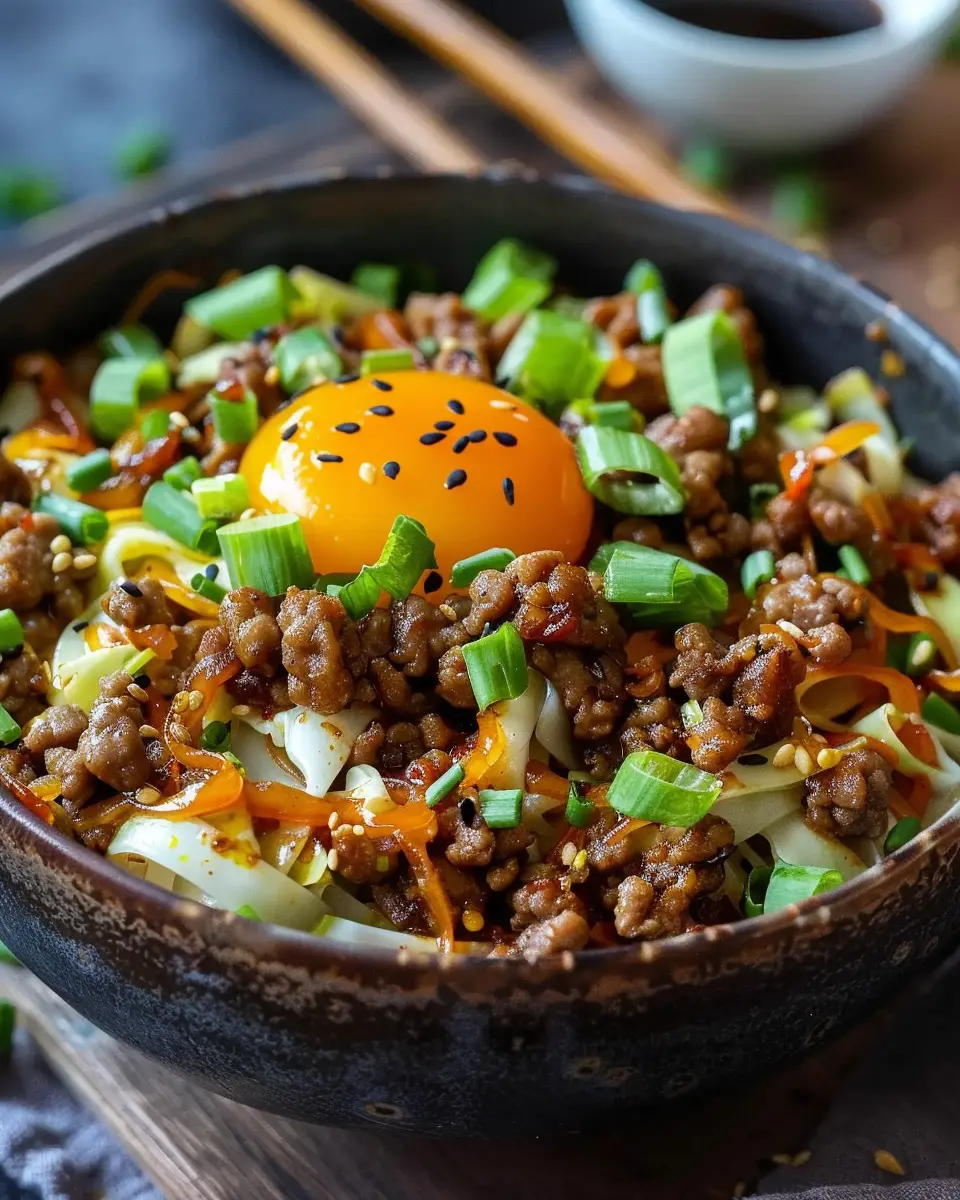
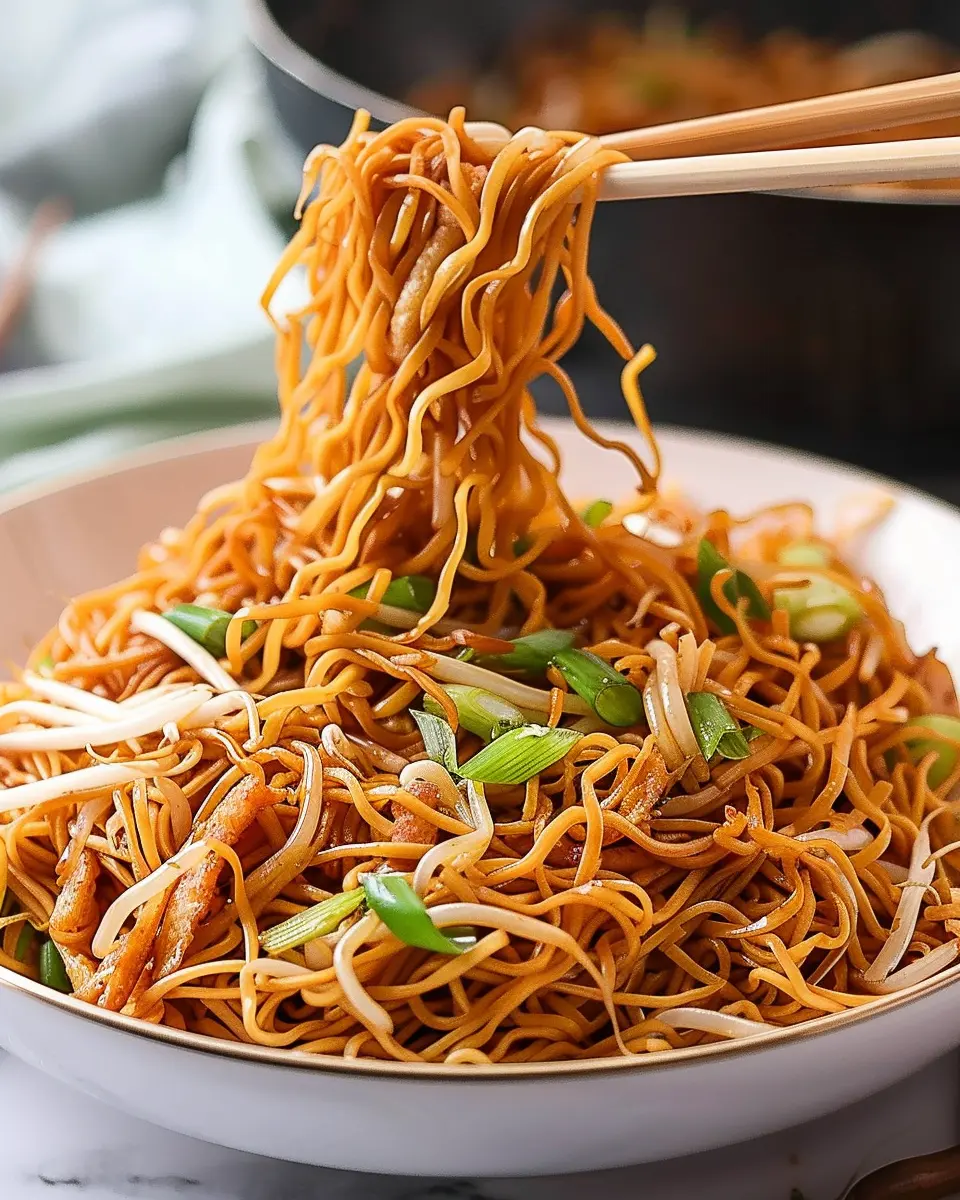
Cantonese Chow Mein is more than just a delightful noodle dish; it’s a taste of culture that intertwines comfort and flavor. Originating from the bustling streets of Canton, this dish is recognized for its stir-fried noodles paired with a medley of fresh vegetables and savory proteins. Whether wrapped in a takeout box or served at a cozy family table, it’s a dish that brings people together.
Why Cantonese Chow Mein is a must-try dish?
Let’s start with the flavors. The beauty of Cantonese Chow Mein lies in its ability to cater to different palates. The soft yet crispy texture of the noodles, along with the umami richness from the soy sauce and fresh ingredients, creates a spoonful sensation that’s hard to resist. Did you know that the typical Cantonese dish includes a variety of proteins? Substituting standard pork with beef or perhaps turkey bacon gives you a unique twist without sacrificing flavor.
Food enthusiasts often note that Cantonese Chow Mein can vary based on locality and personal preference. For instance, some might enjoy the classic addition of chicken ham or tender vegetables, like bell peppers and bok choy, which add not only to the taste profile but also a vibrant color to your plate. This dish can easily become your go-to when you’re in a rush but want to whip up something delicious and satisfying.
Beyond flavor, it’s about the experience. A study from the Culinary Institute of America suggests that cooking at home can foster a greater appreciation for food while promoting well-being among young professionals. The involvement in creating a dish like Chow Mein can create cherished memories, making the preparation process as rewarding as the final outcome.
So, what’s stopping you from trying your hand at making Cantonese Chow Mein? Not only will it impress your friends during a casual gathering, but it will also offer a delightful escape into the delicious world of Cantonese cuisine. Explore the ingredients, play with flavors, and most importantly, have fun in the kitchen!
Ingredients for Cantonese Chow Mein
Essential ingredients for the perfect dish
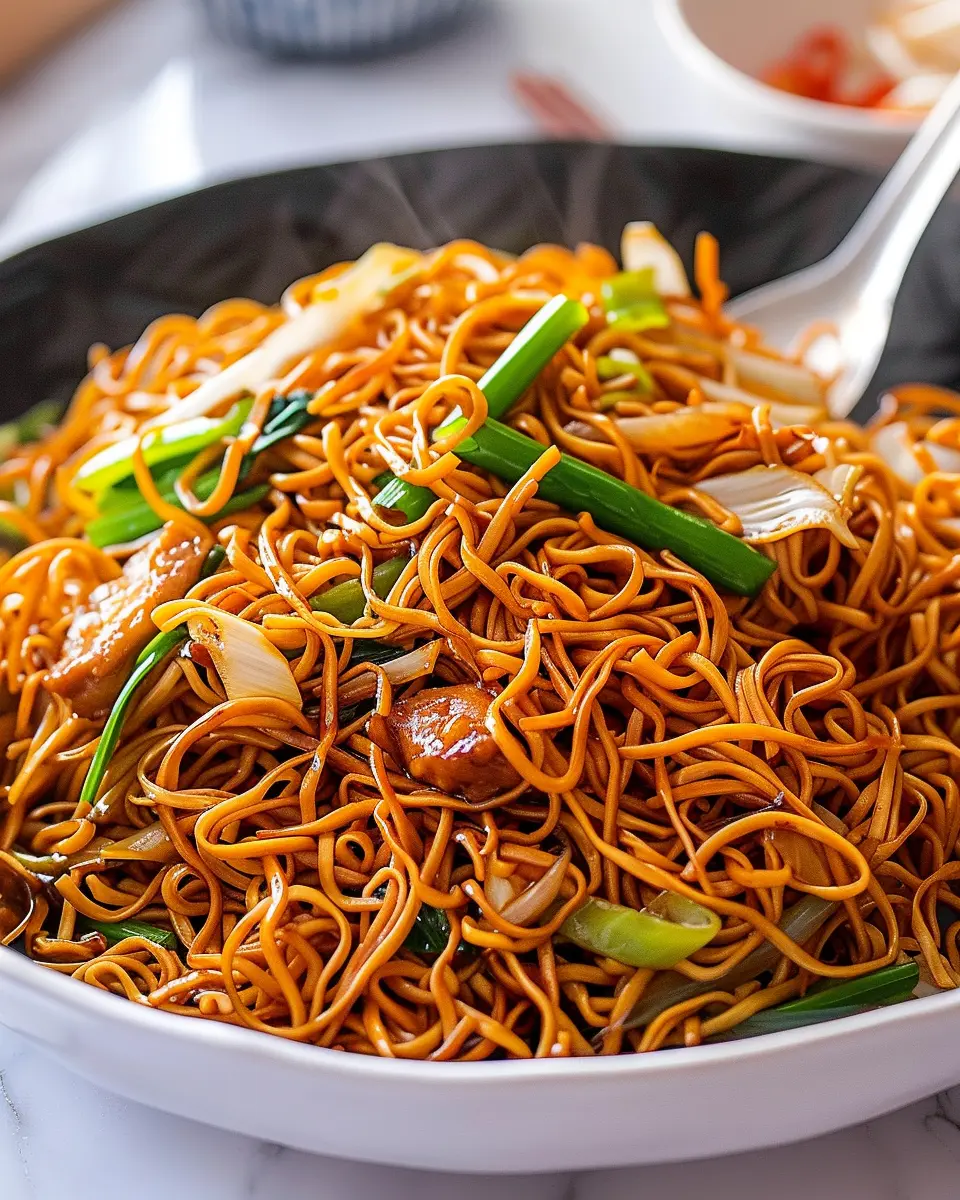
When it comes to whipping up an authentic Cantonese Chow Mein, the right ingredients are key to achieving that irresistible flavor and texture. Here’s what you’ll need:
- Chow Mein Noodles: Look for fresh egg noodles for that satisfying bite. If you can’t find fresh, dried will work too—just cook them al dente.
- Protein: Transitioning from traditional meats, use Turkey Bacon for a smoky essence and Chicken Ham for a savory touch. If you’re a beef lover, feel free to add some tender strips of beef for extra depth.
- Vegetables: A colorful mix is essential! Bell peppers, bok choy, carrots, and snap peas add crunch and nutrients. Freshness matters, so consider using organic produce.
- Sauces: Soy sauce is a must for that rich umami flavor. Add oyster sauce for complexity, and some sesame oil for a fragrant finish.
For an in-depth exploration of the nutritional benefits of each ingredient, check out Healthline. Enjoy gathering these ingredients; they’re the building blocks for a delicious evening!
Preparing Cantonese Chow Mein
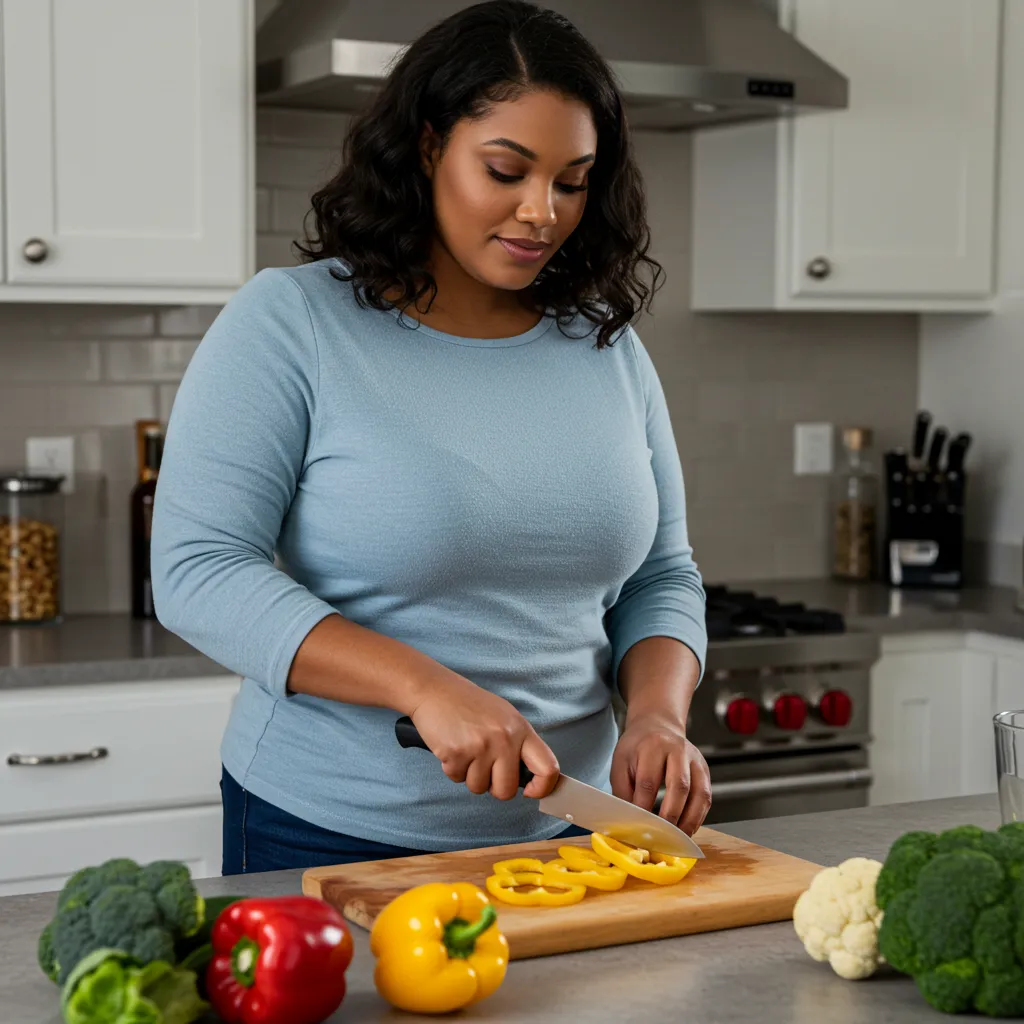
Making a delicious plate of Cantonese Chow Mein at home is not just about following a recipe; it’s about embracing a vibrant culinary tradition that’s loved for its satisfying textures and flavors. This popular dish combines tender noodles with fresh vegetables and savory proteins, making it a fantastic choice for any weeknight dinner. Below is a friendly, step-by-step guide to help you create this delightful dish.
Gather all your ingredients
Before you hit the stove, take a moment to gather all the essentials for your Cantonese Chow Mein. Having everything at hand will make your cooking experience smoother and more enjoyable. Here’s what you’ll need:
- Chow mein noodles (fresh or dry)
- Vegetable oil (or any light oil you prefer)
- Aromatics: garlic, ginger, and green onions
- Proteins: Chicken ham and Turkey bacon (or your preferred protein)
- Vegetables: Bell peppers, carrots, bean sprouts, and bok choy
- Sauce: Soy sauce, oyster sauce, and a pinch of sugar
Tip: If you want to elevate your dish, consider adding some cashews or sesame seeds for garnish. These can add a delightful crunch!
Cook the chow mein noodles
The next step involves preparing your chow mein noodles. If you’re using fresh noodles, they usually just need a quick blanching. For dry noodles, follow the package instructions, boiling until they’re al dente. Remember, you want them tender but firm enough to hold their shape when stir-fried.
Once cooked, drain the noodles and toss them with a teaspoon of vegetable oil to prevent sticking. This little trick goes a long way in ensuring your noodles stay nice and separate.
Prepare the stir-fry sauce
Creating the perfect stir-fry sauce is crucial to a flavorful Cantonese Chow Mein. In a small bowl, mix the following:
- 3 tablespoons soy sauce
- 1 tablespoon oyster sauce
- 1 teaspoon sugar
- Dash of pepper
Feel free to adjust the quantities to suit your taste! This sauce will bring everything together, enhancing the unique flavors of the dish and adding that iconic umami kick.
Sauté the aromatics
With your ingredients prepped and sauce made, it’s time to infuse some flavor into your dish. Heat a tablespoon of vegetable oil in your wok over medium-high heat. Once it’s hot, add minced garlic, ginger, and chopped green onions. Sauté for about a minute until the aromatics are fragrant—this is the moment your kitchen will start to smell incredible!
Pan-fry the noodles for that crispy texture
After your aromatics are nicely sautéed, it’s time to add the chow mein noodles. Spread them evenly in the wok and let them cook undisturbed for a few minutes. This will create that coveted crispy layer on the bottom. To get even more texture, toss the noodles gently after a couple of minutes to allow the other side to crisp up too.
Add vegetables and sauce to the wok
Once your noodles have achieved the right level of crispiness, it’s time to toss in your vibrant vegetables—bell peppers, carrots, and bok choy. Stir-fry for about two minutes until they are tender yet still vibrant. Next, pour in the prepared stir-fry sauce and give everything a good mix.
Toss and serve
Now for the final step! Toss everything together to ensure the noodles are coated with the sauce and that the vegetables are well-distributed. Serve your Cantonese Chow Mein hot, garnished with fresh green onions or sesame seeds if you like.
Enjoy this delightful dish with friends or family. Who would have thought a humble bowl of noodles could bring people together so beautifully?
If you want to get even more adventurous, try customizing your Cantonese Chow Mein with seasonal vegetables or alternative proteins!
Variations on Cantonese Chow Mein
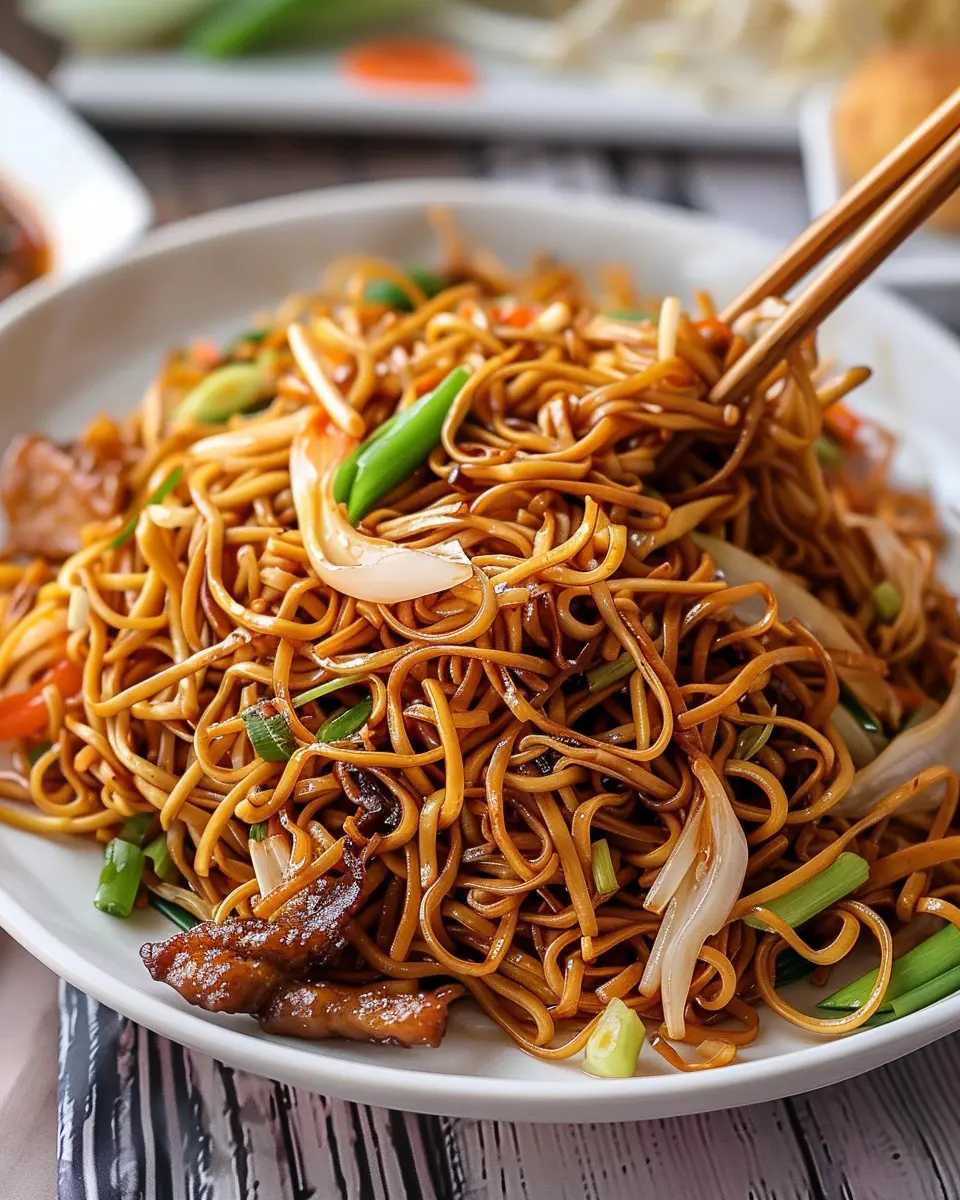
When it comes to Cantonese Chow Mein, the possibilities are endless! Whether you’re looking to accommodate dietary preferences or simply want to spice things up, here are three delightful variations that will satisfy your cravings.
Vegetarian Cantonese Chow Mein
For those who thrive on plant-based goodness, Vegetarian Cantonese Chow Mein is a vibrant option. This variation can be loaded with fresh vegetables such as bell peppers, carrots, and bok choy. A delightful touch can come from adding tofu or mushrooms for an extra protein boost. Tossing in soy sauce, sesame oil, and garlic gives it the rich flavors typical of traditional chow mein. Did you know that incorporating more vegetables into your diet can reduce the risk of chronic diseases? It’s a win-win for your health and your taste buds!
Cantonese Chow Mein with Chicken Ham
Looking to elevate your classic Cantonese Chow Mein? Try adding chicken ham. The savory flavor of chicken ham complements the crispy noodles and fresh veggies beautifully. You’ll want to sauté pieces of chicken ham with garlic and ginger before mixing them into your dish, creating a satisfying dish that’s both flavorful and filling. This twist not only enhances the dish but provides a hearty texture that brings the entire meal together.
Spicy Cantonese Chow Mein
If you’re a spice lover, Spicy Cantonese Chow Mein is your go-to! Start with your usual mix of vegetables and add a generous amount of chili sauce or fresh chilies to the stir-fry. Adding a hint of Sichuan peppercorns can also elevate your dish, giving it that perfect zing. A 2017 study from the American Journal of Clinical Nutrition found that spicy foods may even boost your metabolism—as if you needed another reason to indulge!
Each variation is a delicious way to enjoy the beloved Cantonese Chow Mein, making it easy to personalize according to your taste. Which one will you try first?
Cooking tips and notes for Cantonese Chow Mein
Tips for getting the noodles perfectly crispy
Achieving that delightful crispiness in Cantonese Chow Mein is all about technique. To get those noodles just right:
- Use high heat: This helps to quickly fry the noodles, enhancing crispness without overcooking.
- Don’t overcrowd the pan: Fry in batches if necessary. Giving your noodles space allows them to sear evenly and develop that ideal texture.
- Patience is key: Let the noodles sit undisturbed for a few moments in the hot oil before flipping. This creates a lovely crust on one side.
Notes on ingredient substitutions
If you’re missing a specific ingredient for your Cantonese Chow Mein, don’t sweat it! Here are some smart substitutions:
- Noodles: If you can’t find fresh egg noodles, opt for thin, dried egg noodles or rice noodles.
- Protein: Swap in turkey bacon or chicken ham for a flavorful twist. For vegetarians, crispy tofu works wonders!
- Vegetables: Feel free to mix and match; bell peppers, broccoli, or even bean sprouts are excellent choices.
For more cooking insights, check out Serious Eats for expert advice on noodle dishes. Happy cooking!
Serving suggestions for Cantonese Chow Mein
Accompaniments that elevate your meal
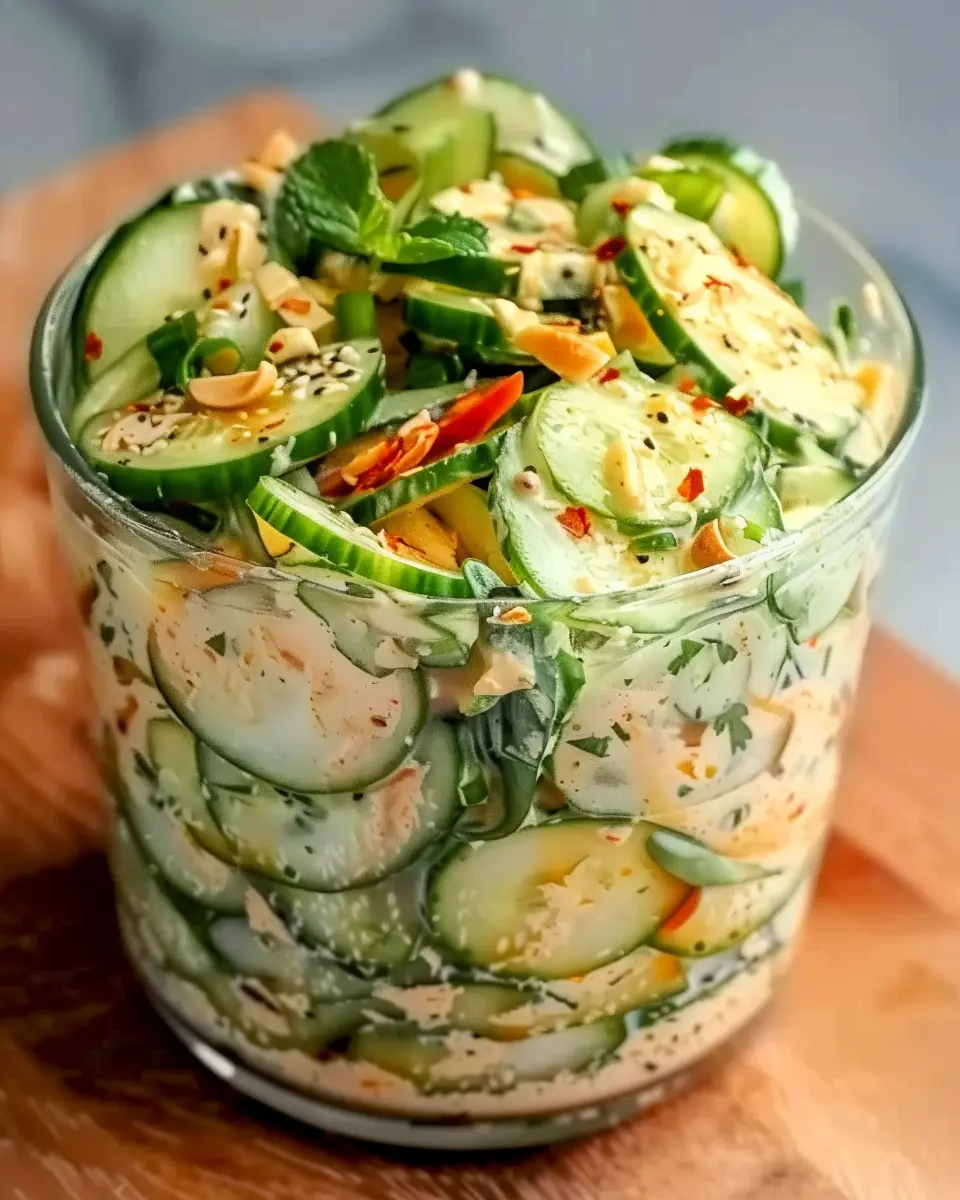
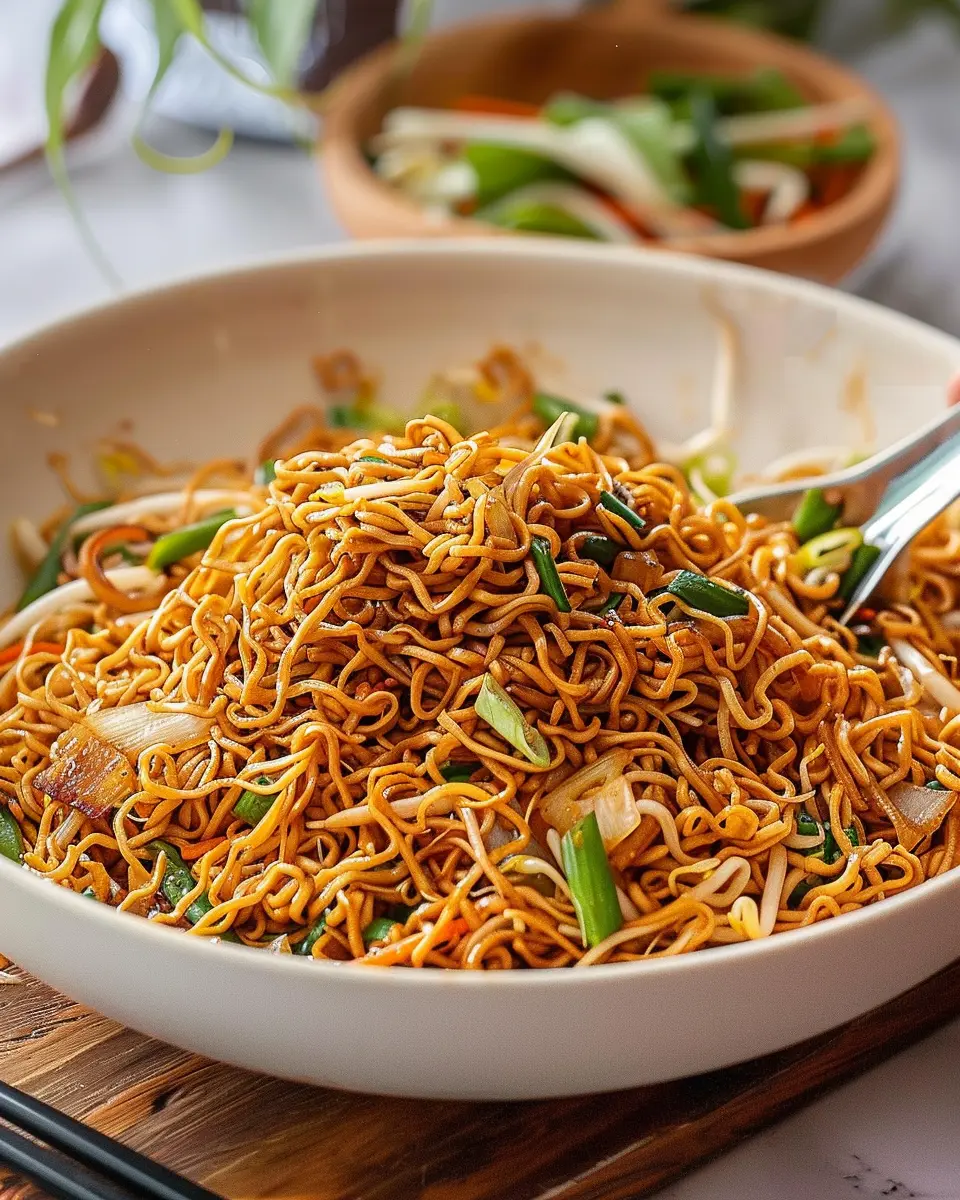
Cantonese Chow Mein isn’t just a meal; it’s an experience! To take your dining to the next level, consider serving it alongside some delightful accompaniments. A refreshing cucumber salad tossed in sesame oil can offer a crisp contrast and balance the savory noodles. For a bit of crunch, fried wontons or spring rolls are also fantastic options. You could even prepare an engaging dipping sauce using soy sauce and a hint of lime juice, which would perfectly complement the flavors in your chow mein.
Best ways to serve Cantonese Chow Mein
When it comes to serving Cantonese Chow Mein, presentation is key. A vibrant platter showcasing the colorful noodles alongside a scattering of chopped green onions and sesame seeds looks inviting. In individual portions, each bowl can be topped with freshly chopped cilantro for that extra pop of flavor. Pair your chow mein with a gentle herbal tea or a fizzy sparkling water infused with citrus to cleanse your palate between bites. Trust me; these little details make all the difference in creating a deliciously memorable meal!
For more ideas on enhancing your dining experience, check out Serious Eats for creative sides and drink pairings.
Time breakdown for Cantonese Chow Mein
Preparation time
The preparation for Cantonese Chow Mein is a breeze! You’ll need about 15 to 20 minutes to slice your veggies and gather your ingredients. This step is key to ensuring everything cooks quickly and evenly, so take your time to enjoy it. If you love meal prep, you could even chop everything the night before.
Cooking time
Once you’re all set, the actual cooking time is around 10 to 15 minutes. This is where the magic happens! Stir-frying at high heat is not only quick but also adds that delightful wok char to your dish.
Total time
In total, you’ll be looking at roughly 30 to 35 minutes from start to finish for your delicious Cantonese Chow Mein. It’s the perfect dish for a weeknight dinner when you’re short on time but long on flavor.
For more tips on making delicious stir-fries, check out this helpful guide on Mastering the Wok.
Nutritional facts for Cantonese Chow Mein
Calories and macronutrients
When digging into Cantonese Chow Mein, you’ll find it’s quite a balanced dish. A standard serving contains around 400-500 calories, largely depending on the ingredients. The macronutrients generally break down as follows:
- Protein: Approximately 20-30 grams, especially if you include proteins like Turkey Bacon or Chicken Ham.
- Carbohydrates: Around 50-60 grams, primarily from noodles and vegetables.
- Fat: Generally between 10-15 grams, depending on the type of oil and meat used.
This dish is a delightful, nourishing choice for a quick weeknight dinner, catering to your busy lifestyle.
Key vitamins and minerals
Cantonese Chow Mein is not just filling; it’s also packed with essential nutrients. You can expect:
- Vitamin A: Prominent from colorful veggies like bell peppers and carrots.
- Vitamin C: Boosted by fresh ingredients such as broccoli.
- Iron: Especially from the beef or Turkey Bacon, which is vital for energy levels.
- Fiber: From the noodles and vegetables, supporting digestion.
These elements make it more than just a comfort food; it’s a quick way to get your daily nutrients. For more insights on the nutritional aspects of various dishes, check out resources like the USDA FoodData Central for detailed breakdowns.
Eating Cantonese Chow Mein can be a deliciously mindful choice—a little indulgence that doesn’t skimp on health. So, why not whip up a batch tonight?
FAQs about Cantonese Chow Mein
How do I make the noodles extra crispy?
Achieving that perfect crunch in your Cantonese Chow Mein is all about technique! Start with par-cooked noodles, then, when you stir-fry them, ensure your pan is super hot. Using a bit of oil at this stage helps create that golden crust. Allow the noodles to sit in the pan without moving them too much—that’s where the crispiness comes from. When you see a nice golden color, flip them over to finish the job. Trust me, the crispier the noodles, the more delightful the dish!
Can I use other types of noodles?
Absolutely! While traditional Cantonese Chow Mein uses egg noodles, you can experiment with other types based on your preference. Rice noodles are a great gluten-free option, while soba noodles can add a unique flavor profile. Just remember that cooking times may vary. For more versatility, check out this handy guide on different noodle types here.
What sauce alternatives can I use?
If you’re looking to switch up the flavors in your Cantonese Chow Mein, consider using:
- Soy sauce: A classic choice that adds umami flavor.
- Oyster sauce: For a deeper, richer taste.
- Hoisin sauce: Makes for a sweeter twist.
- Teriyaki sauce: For a slightly fruity flavor.
Feel free to mix and match these sauces to create a unique symphony of flavors. Have fun experimenting and don’t shy away from adding your favorite protein or vegetables!
Conclusion on Cantonese Chow Mein
Creating Cantonese Chow Mein at home isn’t just about saving money; it’s about savoring the freshness and vibrant flavors that takeout often lacks. When you whip up this dish in your kitchen, you can customize each ingredient to your taste, from the crunch of those perfectly cooked vegetables to the savory kick of soy sauce. Plus, who doesn’t love the aroma of stir-fried noodles wafting through their home?
By making it yourself, you have the freedom to experiment—maybe throw some Turkey Bacon or Chicken Ham in there—ensuring every bite is just right. So, skip the takeout next time and indulge in the joy of homemade Cantonese Chow Mein! For more inspiration, check out this guide on Asian noodle dishes and elevate your culinary skills!
PrintCantonese Chow Mein: Easy Recipe with Turkey Bacon & Chicken Ham
A delicious and easy recipe for Cantonese Chow Mein featuring turkey bacon and chicken ham.
- Prep Time: 10 minutes
- Cook Time: 15 minutes
- Total Time: 25 minutes
- Yield: 4 servings 1x
- Category: Main Course
- Method: Stir Fry
- Cuisine: Chinese
Ingredients
- 200 grams chow mein noodles
- 100 grams turkey bacon
- 100 grams chicken ham
- 1 onion, sliced
- 2 garlic cloves, minced
- 1 cup green bell pepper, sliced
- 1 cup bean sprouts
- 3 tablespoons soy sauce
- 2 tablespoons oyster sauce
- 1 tablespoon sesame oil
- salt to taste
- pepper to taste
Instructions
- Cook the chow mein noodles according to package instructions. Drain and set aside.
- In a large pan, heat sesame oil over medium heat.
- Add turkey bacon and chicken ham, cooking until browned.
- Stir in onion and garlic, sautéing until fragrant.
- Add green bell pepper and bean sprouts, stirring frequently.
- Incorporate the cooked noodles and pour soy sauce and oyster sauce over the mixture. Toss to combine.
- Season with salt and pepper to taste. Serve hot.
Notes
- For extra flavor, consider adding a pinch of chili flakes.
- This recipe is adaptable; feel free to include your favorite vegetables.
Nutrition
- Serving Size: 1 plate
- Calories: 400
- Sugar: 2 grams
- Sodium: 800 milligrams
- Fat: 20 grams
- Saturated Fat: 6 grams
- Unsaturated Fat: 12 grams
- Trans Fat: 0 grams
- Carbohydrates: 40 grams
- Fiber: 3 grams
- Protein: 25 grams
- Cholesterol: 60 milligrams
Keywords: Cantonese Chow Mein, Turkey Bacon, Chicken Ham, Easy Recipe, Noodles