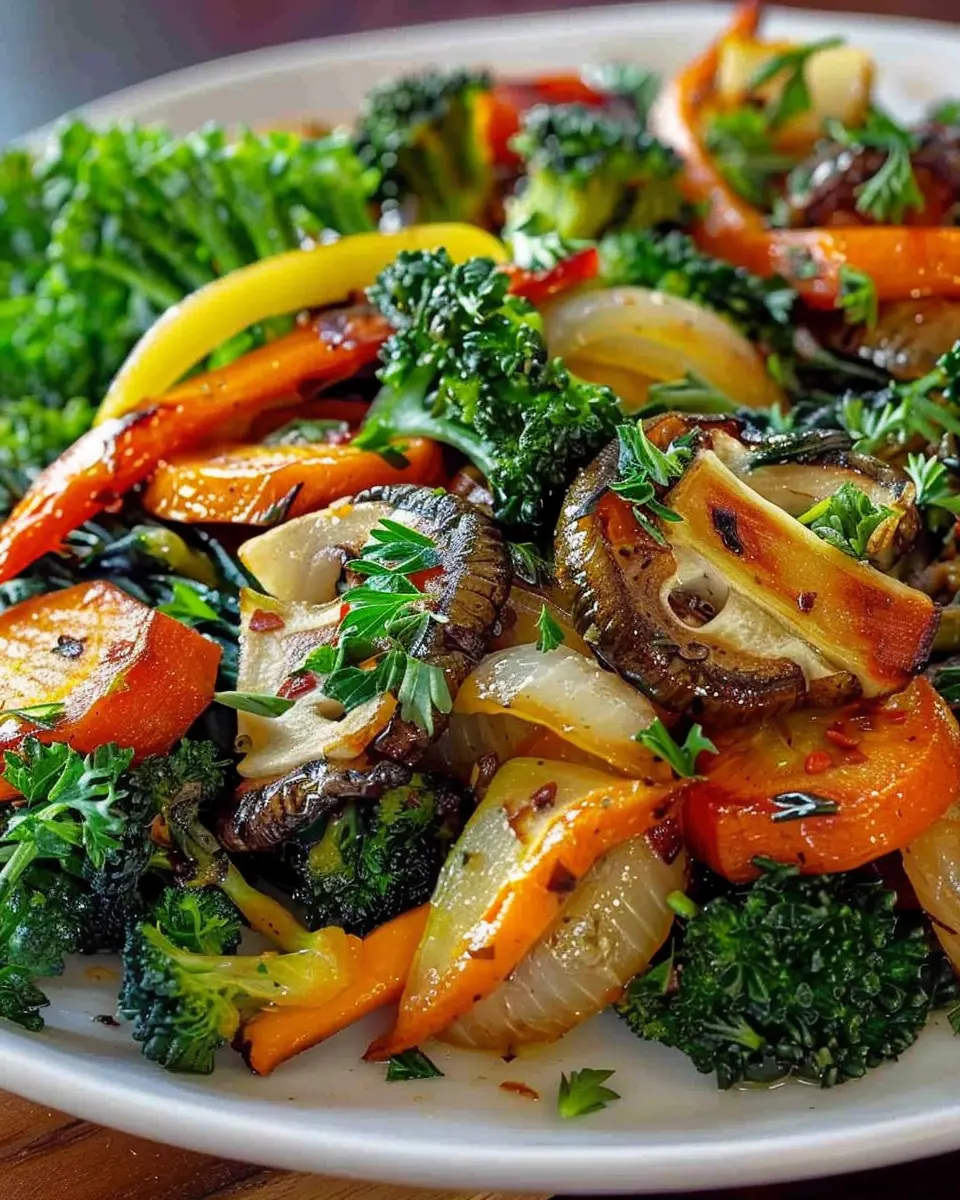
Introduction to Healthy Sautéed Vegetables
Are you on the hunt for a side dish that’s quick, flavorful, and nutritious? Look no further than healthy sautéed vegetables! This vibrant medley inherently enhances any meal, packing a punch of flavor and essential nutrients that your body craves. If you haven’t considered sautéing your vegetables, let me share why this method should be your go-to in the kitchen!
Why Sautéed Vegetables Should Be Your Go-To Side Dish
One of the primary reasons to embrace sautéed vegetables is their versatility. You can mix and match just about any veggie you have on hand. Think bell peppers, zucchini, broccoli, or even hearty greens like kale. Combine these with a splash of olive oil, a sprinkle of salt, and perhaps a dash of your favorite herbs, and voilà! You’ve got a side dish that can elevate any protein on your plate.
Sautéing is not just about ease; it’s also about maximizing flavor. This method allows for a quick cook time that retains the crunch and vibrant colors of your veggies, resulting in a dish that not only looks beautiful but tastes fantastic too. According to a study from the American Journal of Clinical Nutrition, cooking methods like sautéing can help retain vitamin content, ensuring you get the most nutrition out of your ingredients.
Benefits of Cooking with Fresh Ingredients
Using fresh ingredients is key when preparing healthy sautéed vegetables. The fresher the vegetables, the better the flavor and nutritional value. Fresh produce is often rich in vitamins, minerals, and antioxidants, which are crucial for maintaining overall health. A 2021 report from the Harvard T.H. Chan School of Public Health emphasizes that incorporating more vegetables into your diet can lower the risk of chronic diseases and provide essential nutrients for your body.
If you’re pressed for time, consider prepping your veggies at the beginning of the week. This allows for quick assembly during busy weekdays. Plus, when you’re cooking with fresh ingredients, you have the opportunity to experiment with different flavor profiles, making it easier to keep your meals exciting.
In conclusion, embracing healthy sautéed vegetables is an effortless way to improve your meals. Whether you’re a kitchen novice or a seasoned chef, sautéing offers both simplicity and sophistication all in one step. Are you ready to dive into the vibrant world of sautéed veggies? Let’s get started!
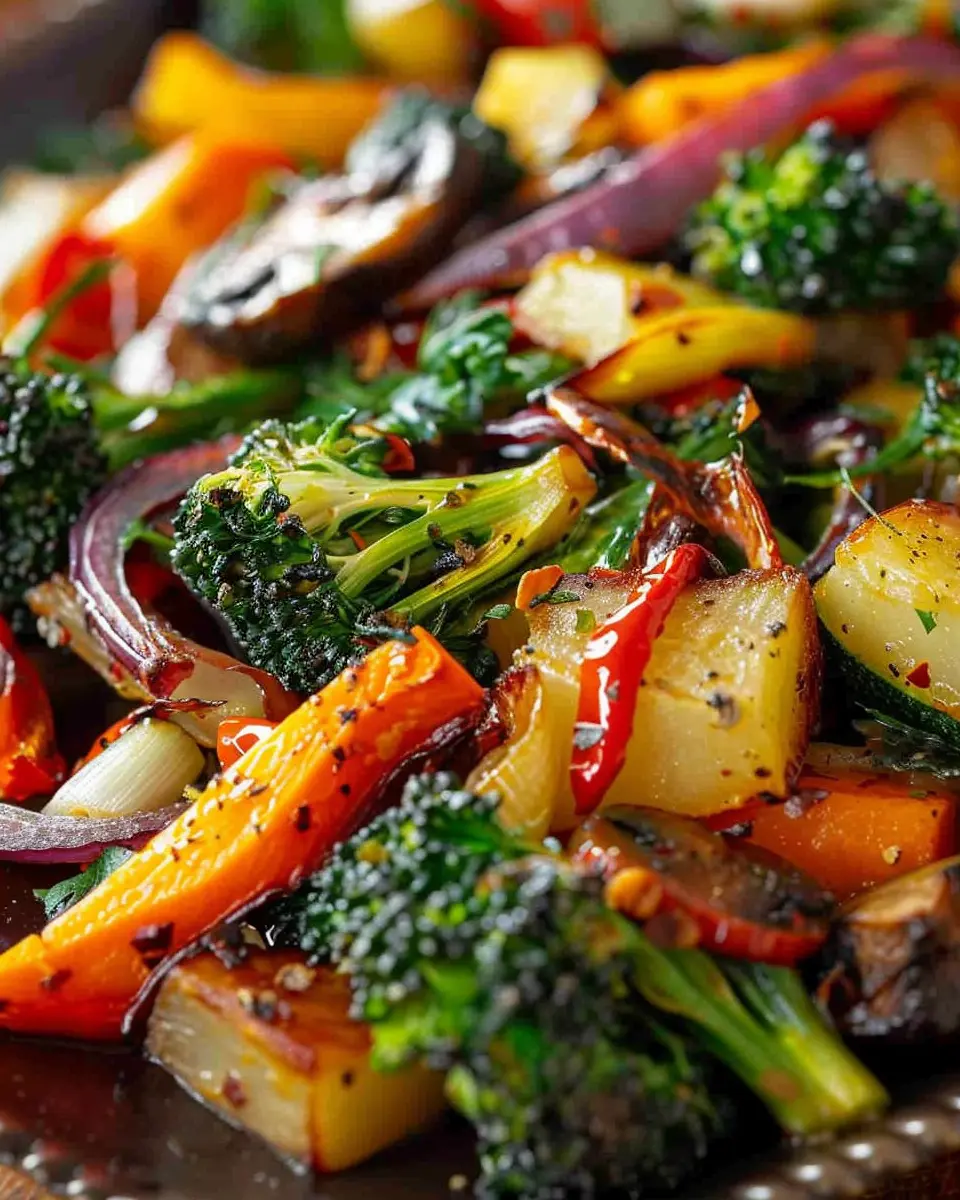
Ingredients for Healthy Sautéed Vegetables
Core ingredients for a nutritious mix
When crafting your healthy sautéed vegetables, starting with the right foundation is essential. Here are some core ingredients you’ll want to include:
- Bell Peppers: These colorful veggies add sweetness and crunch, packed with vitamin C.
- Zucchini: Great for texture and moisture, zucchini is low in calories yet filling.
- Broccoli: Rich in fiber and antioxidants, it’s a powerhouse for overall health.
- Garlic: Not just for flavor, garlic has numerous health benefits, including heart health support.
Pairing these vegetables together creates a visually appealing and nourishing dish. For more insights into the health benefits of vegetables, check out the Nutritional Guidelines from USDA.
Optional ingredients for unique flavor profiles
Feeling adventurous? Add some optional ingredients to elevate your healthy sautéed vegetables:
- Spinach or Kale: For added nutrients like iron and calcium.
- Onions: They provide a sweet-and-savory flavor that enhances any dish.
- Soy Sauce or Coconut Aminos: These can bring a delightful umami kick without the added calories.
- Herbs: Fresh basil or thyme can add a wonderful aroma and freshness.
Experiment with these optional ingredients to discover your favorite combination! What unique flavor profiles will you create?
Preparing Healthy Sautéed Vegetables
Sautéed vegetables are a fantastic way to add color, flavor, and nutrients to your meals without much fuss. By following these easy steps, you’ll create healthy sautéed vegetables that can be enjoyed as a side dish, topping for proteins, or even as a light main course. Let’s dive right into the process!
Wash and Chop All Vegetables
The first step in preparing your healthy sautéed vegetables is selecting and prepping your produce. You can use any combination of vegetables you like, but some great options include:
- Bell peppers
- Broccoli
- Carrots
- Zucchini
- Spinach
- Green beans
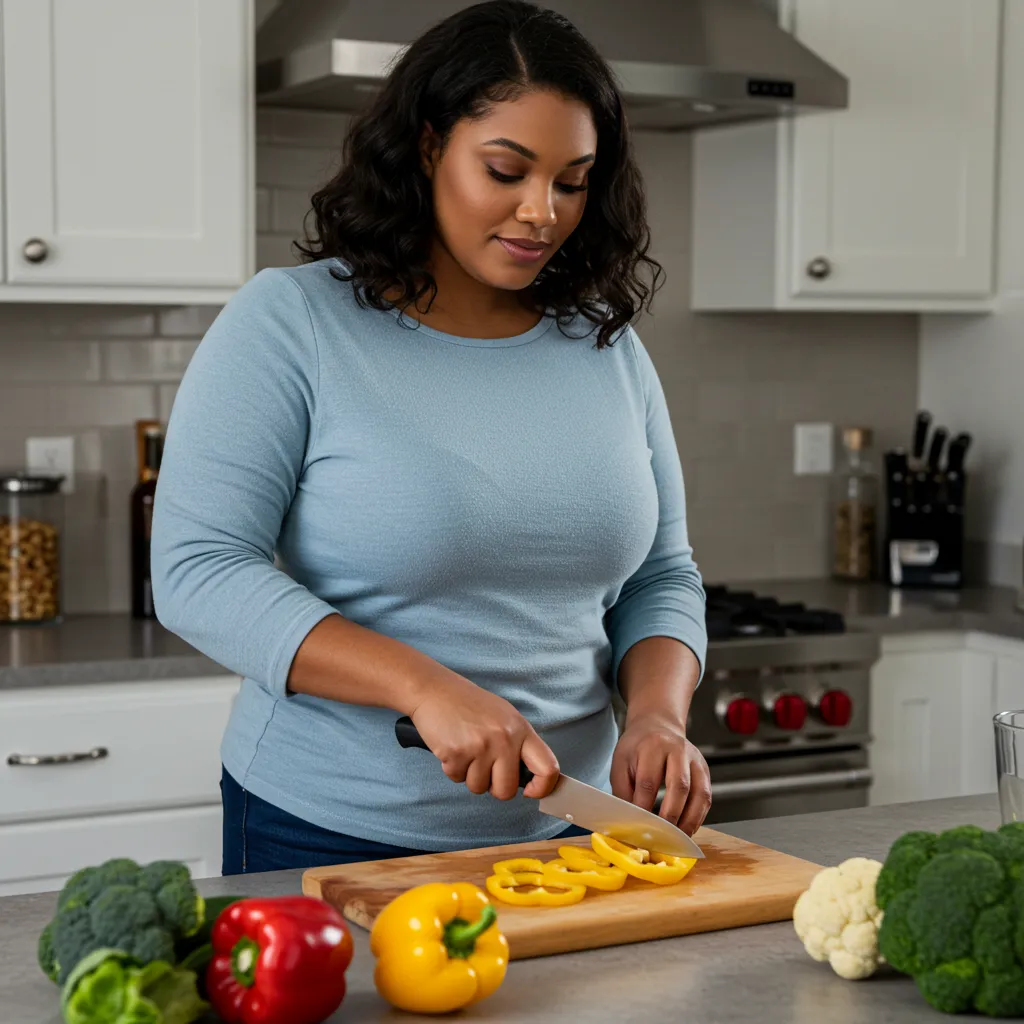
Once you have your chosen veggies, wash them thoroughly under running water to remove any dirt and pesticides. Next, chop them into bite-sized pieces. This makes them easier to cook and enjoy. Keep in mind that uniformity is key—smaller pieces will cook faster, so try to keep them about the same size for even cooking.
Preheat Your Skillet
While chopping your veggies, take a moment to preheat your skillet over medium-high heat. A cast-iron or non-stick skillet works best for sautéing, allowing for even heat distribution and easy food release. If you want to avoid sticking, add a drizzle of olive oil or avocado oil. Not only do these oils provide healthy fats, but they also enhance the flavors in your dish. Did you know that olive oil is rich in monounsaturated fats, which can help reduce the risk of heart disease? According to the American Heart Association, incorporating healthy oils is essential!
Sauté Aromatics for Depth of Flavor
Now it’s time to build some flavor! Before adding your vegetables, sauté some aromatics in the hot oil. Think garlic, ginger, or even a chopped onion. These ingredients add depth and richness to your healthy sautéed vegetables. Cook them for about one to two minutes until fragrant, being careful not to let them burn, as burnt garlic can turn bitter. This is a great time to channel your inner chef—don’t be afraid to experiment with herbs and spices!
Add Harder Vegetables First
When your aromatics are ready, it’s time to add the vegetables that take longer to cook, such as carrots and broccoli. These will form the base of your dish, taking more time to soften. Sauté them for about three to five minutes, stirring frequently. The goal here is to allow them to become slightly tender but still maintain some of their crunch—a texture that adds a delightful contrast to your meal.
Incorporate Softer Vegetables and Finish Cooking
Once your harder veggies are just about perfect, it’s time to add the softer vegetables, like bell peppers and zucchini. These generally require less cooking time and should be added later to ensure they don’t turn mushy. Stir everything together and let them cook for another three to five minutes until all the vegetables are vibrant and tender. Remember to keep moving them around in the pan; this helps them cook evenly and prevents sticking.
Season and Toss for Optimal Taste
The final touch for your healthy sautéed vegetables is seasoning. Add a pinch of salt and pepper to taste, and feel free to include herbs like thyme, rosemary, or even a sprinkle of lemon juice to brighten the dish. Toss everything together in the skillet, making sure every piece is coated in flavor. This is where you can truly personalize the recipe; add some crushed red pepper flakes for heat or a splash of low-sodium vegetable broth for some extra moisture.
And there you have it—your delicious, healthy sautéed vegetables are ready to be served! Pair them with your favorite protein or enjoy them as a fresh side. Not only are these veggies colorful and flavorful, but they’re also packed with vitamins and minerals that promote good health. Bon appétit!
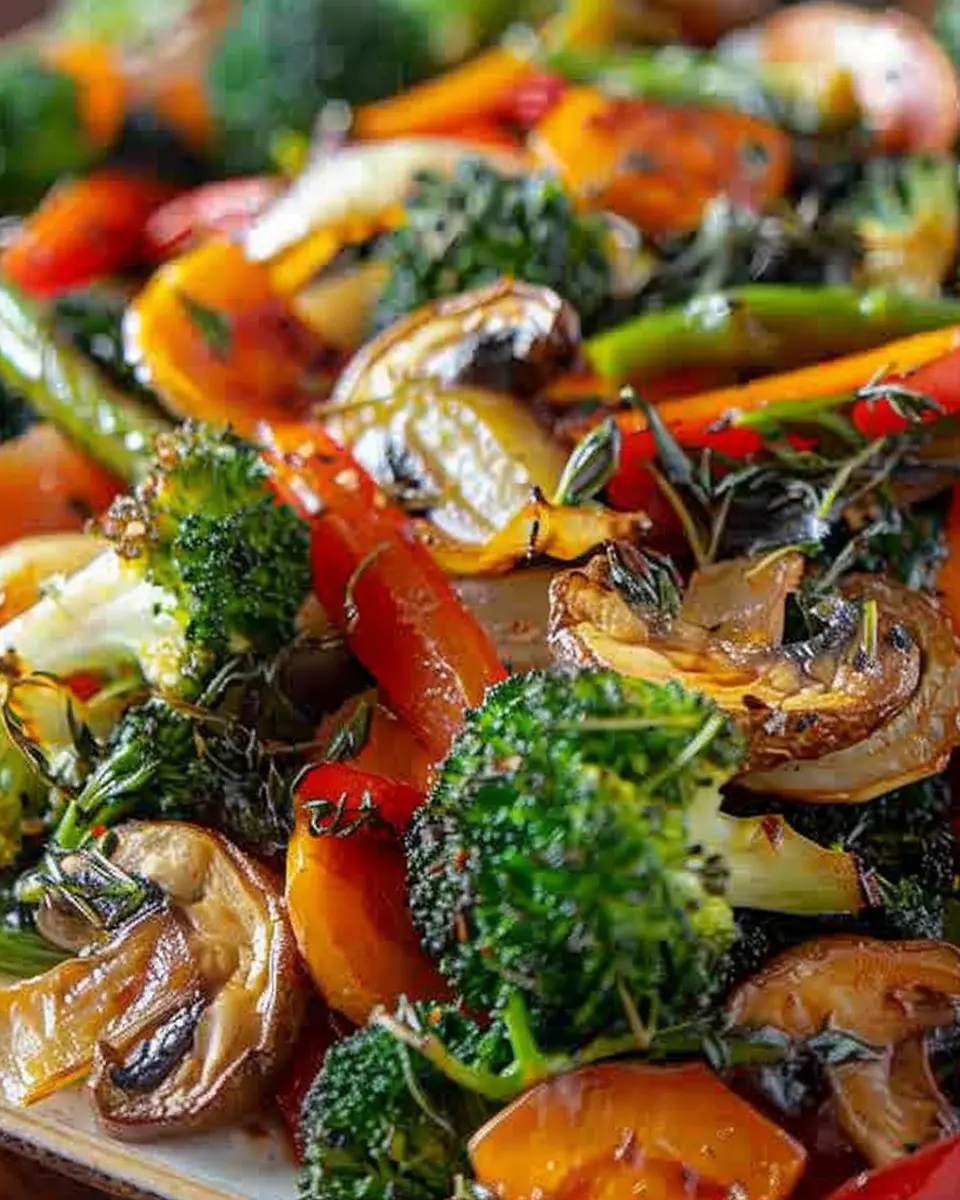
Variations on Healthy Sautéed Vegetables
Seasonal Sautéed Vegetable Medley
Embrace the flavors of the season with a colorful medley of healthy sautéed vegetables. In spring, think zucchini, asparagus, and baby carrots; while summer calls for vibrant bell peppers and sweet corn. Autumn’s harvest introduces Brussels sprouts and butternut squash. Don’t forget to season with a dash of lemon juice or a sprinkle of fresh herbs for that extra pop! You can learn more about seasonal eating from EatFresh.org.
Asian-Inspired Sautéed Vegetables
Elevate your dinner with a tasty twist by going Asian-inspired! Start with a base of bok choy, snap peas, and shiitake mushrooms—perfect for sautéing. Add a splash of low-sodium soy sauce or a hint of ginger for some zing. Pair with sesame oil for that nutty flavor that complements the freshness of your healthy sautéed vegetables. Feeling adventurous? Check out this Asian vegetable stir-fry recipe to expand your kitchen repertoire.
Mediterranean Twist on Sautéed Veggies
If you’re craving something a bit more hearty, try a Mediterranean twist! Combine eggplant, zucchini, and cherry tomatoes, sautéing them in olive oil with garlic and oregano. Finish it off with a sprinkle of feta cheese or a handful of olives for a rich, flavor-packed dish. This approach not only makes your sautéed vegetables delightful but also adds a new dimension of nutrition and taste to your meals.
By mixing and matching these variations, you’ll discover endless possibilities for healthy side dishes that not only nourish but also excite your palate! Happy sautéing!
Cooking Tips and Notes for Healthy Sautéed Vegetables
Importance of Not Overcrowding the Pan
When making healthy sautéed vegetables, one of the most crucial tips is to avoid overcrowding the pan. It might be tempting to throw in everything at once, but a crowded pan leads to steaming rather than sautéing. This can compromise flavor and texture. Instead, sauté in batches if you have a lot of veggies. Each piece should have its moment to shine, allowing them to caramelize beautifully and develop that rich depth of flavor.
Make-Ahead Vegetable Prep for Busy Weeknights
Life can be hectic, but that doesn’t mean you have to sacrifice your health. Preparing your vegetables ahead of time is a game-changer for busy weeknights. Spend a little time on Sunday washing, chopping, and storing veggies in airtight containers. You can even try pre-mixing your favorite spices and seasonings for a quick and easy flavor boost. This prep step not only saves time but enhances your motivation to whip up those healthy sautéed vegetables after a long day.
For more meal prep ideas, check out resources like The Kitchn or EatingWell for inspiration!
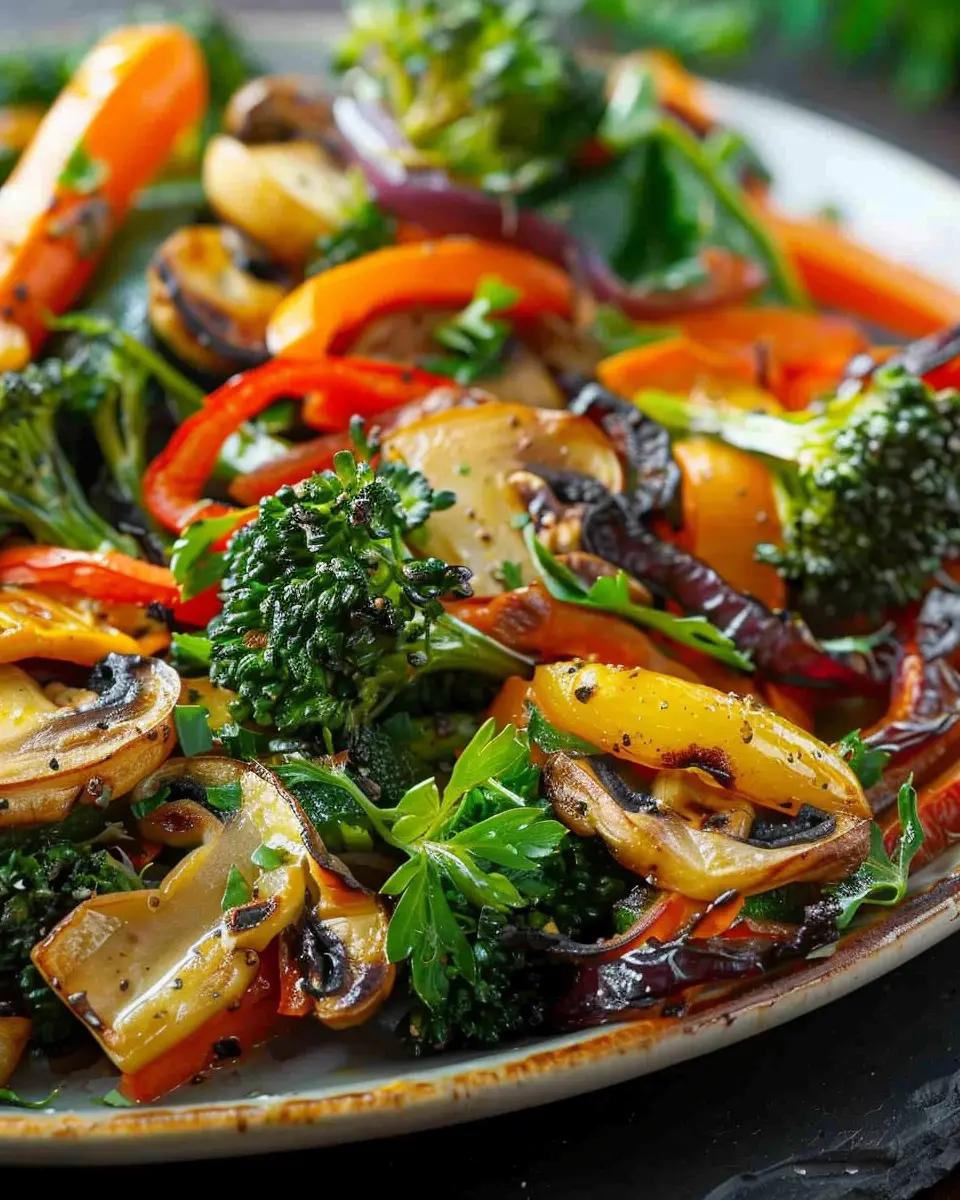
Serving Suggestions for Healthy Sautéed Vegetables
Pairing Ideas with Main Dishes
When it comes to serving healthy sautéed vegetables, the options are as plentiful as they are delicious! These vibrant veggies can be the perfect companion to a variety of dishes. For a wholesome meal, consider pairing them with grilled chicken, tofu stir-fries, or even a hearty quinoa bowl. For those who enjoy beef, they beautifully complement grilled beef steaks or chicken ham for a savory contrast. If you’re in the mood for light fare, try serving them alongside a fresh salad or as a topping for whole grain wraps.
Creative Garnishes to Elevate Presentation
Presentation can make all the difference when emphasizing the beauty of your healthy sautéed vegetables! Consider garnishing with fresh herbs like parsley, basil, or chives—these not only add a pop of color but also enhance flavor. A squeeze of lemon or a drizzle of balsamic glaze can elevate your dish to a restaurant-quality level. For extra texture, sprinkle some toasted nuts or seeds on top. They not only look sophisticated but also make your meal more satisfying!
For more creative ideas, check out this article on garnishing techniques that can inspire your plating skills.
Time Breakdown for Healthy Sautéed Vegetables
Preparation time
Getting your healthy sautéed vegetables ready takes about 10 minutes. During this time, you’ll want to wash, peel, and chop your favorite veggies like bell peppers, zucchini, and broccoli. Having your veggies prepped ahead of time can make this step feel like a breeze!
Cooking time
The actual cooking time for your delicious sautéed veggies is around 8-10 minutes. You’ll achieve the perfect tender-crisp texture by stirring and sautéing over medium-high heat, allowing all those vibrant flavors to meld beautifully.
Total time
In total, you’re looking at approximately 20 minutes from start to finish for this nutritious side dish. This quick meal prep means you can enjoy a fresh, colorful accompaniment to any main dish in no time! For more tips on making quick and healthy meals, check out sources like Cooking Light or Healthline.
Nutritional Facts for Healthy Sautéed Vegetables
Calories per serving
A standard serving of healthy sautéed vegetables clocks in around 80–120 calories, depending on the selection of veggies and the amount of healthy oil used for cooking. This makes them a fantastic low-calorie side that complements any main dish without weighing you down.
Key vitamins and minerals
These colorful veggies are not just pretty; they boast a variety of essential vitamins and minerals. You’ll find:
- Vitamin C: Boosts immunity and promotes healthy skin
- Vitamin A: Supports vision and skin health
- Folate: Aids in cell repair and a healthy pregnancy
- Potassium: Essential for heart health and maintaining healthy blood pressure
For more about the benefits of these nutrients, check out this informative guide from the National Institutes of Health.
Health benefits of included veggies
Sautéed vegetables offer numerous health benefits that make them a must-have on your plate. Packed with antioxidants and fiber, they can help lower cholesterol levels and support digestive health. Consider incorporating a medley of bell peppers, zucchini, and broccoli into your dish; these additions not only elevate your meal’s flavor profile but also contribute to heart health and weight management.
So next time you’re whipping up a batch of healthy sautéed vegetables, remember you’re doing your body a favor! Ready for that delicious recipe? Let’s get cooking!
FAQ about Healthy Sautéed Vegetables
Can I use frozen vegetables?
Absolutely! Using frozen vegetables is a great shortcut. In fact, they can be just as nutritious as fresh ones because they’re often flash-frozen at their peak ripeness, locking in essential nutrients. When sautéing frozen veggies, just remember to allow a little extra cooking time and don’t overcrowd the pan to maintain that perfect crispy texture. Plus, it saves you washing and cutting, which is perfect for those busy weeknights!
What are the best oils for sautéing?
When it comes to sautéing, it’s all about the oil. Olive oil is a classic choice due to its flavor and health benefits, packed with heart-healthy fats. Coconut oil is also a fantastic option for a touch of sweetness in your healthy sautéed vegetables. If you’re looking for a high smoke point, consider using avocado oil. Not only can it withstand high temperatures, but it’s also rich in vitamins. Check out resources like the Smoke Point Chart for more details.
How can I make these veggies more flavorful?
To elevate your healthy sautéed vegetables, think about adding a variety of spices and herbs. Consider using:
- Garlic powder or fresh minced garlic for a pop of flavor.
- A squeeze of lemon juice or a splash of vinegar to brighten things up.
- Fresh herbs like basil or cilantro to add freshness.
Experimentation is key! Every time you sauté, think of it as a chance to explore new flavor profiles. You might find a combination that becomes a staple in your kitchen. For ideas on spices and seasonings, Food Network has a great collection of recommendations that can inspire your next creation.
Conclusion on Healthy Sautéed Vegetables
Recap of the Benefits of Homemade Sautéed Vegetables
Homemade healthy sautéed vegetables are not just a delicious side—they’re a powerhouse of nutrients! By using fresh, seasonal produce, you not only amplify flavors but also maximize vitamins and minerals. The versatility of sautéed vegetables means you can incorporate nutrients and flavors that fit your personal tastes, making it easier to stick to a nutritious diet.
Encouragement to Experiment with Flavors and Textures
Don’t hesitate to explore! Try adding unique spices or experimenting with different vegetable combinations. Mixing textures can elevate your dish from simple to sensational. Remember, cooking is all about creativity, so have fun with your ingredients! For more inspiration, check out this guide on seasoning vegetables. Enjoy the journey of discovering your ultimate sautéed vegetable masterpiece!
PrintHealthy Sautéed Vegetables: Quick, Flavorful & Nutritious Side Dish
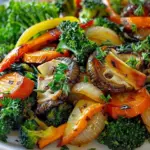
Enjoy a quick and nutritious side dish with these healthy sautéed vegetables, packed with flavor and essential nutrients.
- Prep Time: 10 minutes
- Cook Time: 10 minutes
- Total Time: 20 minutes
- Yield: 4 servings 1x
- Category: Side Dish
- Method: Sautéing
- Cuisine: American
- Diet: Vegetarian
Ingredients
- 2 cups mixed bell peppers
- 1 cup zucchini
- 1 cup broccoli florets
- 2 tablespoons olive oil
- 1 teaspoon garlic, minced
- 1 teaspoon salt
- 1/2 teaspoon black pepper
Instructions
- Heat the olive oil in a large skillet over medium heat.
- Add the garlic and sauté for 1 minute.
- Add the vegetables and stir well.
- Season with salt and pepper.
- Sauté for 5-7 minutes until the vegetables are tender.
- Serve immediately.
Notes
- For added flavor, sprinkle with fresh herbs before serving.
- Adjust the cooking time based on your preferred level of tenderness.
Nutrition
- Serving Size: 1 cup
- Calories: 150
- Sugar: 3g
- Sodium: 300mg
- Fat: 10g
- Saturated Fat: 1g
- Unsaturated Fat: 9g
- Trans Fat: 0g
- Carbohydrates: 12g
- Fiber: 4g
- Protein: 3g
- Cholesterol: 0mg
Keywords: Healthy Sautéed Vegetables, quick side dish, nutritious vegetables